Ever slathered on a serum that promised “glass skin”… only to wake up looking like a pepperoni pizza? Yeah. You’re not alone. In fact, over 60% of consumers report skin irritation from conventional beauty products—often due to hidden fragrances, parabens, or synthetic dyes (Journal of Clinical and Aesthetic Dermatology, 2019). Yikes.
If you’re tired of playing Russian roulette with your face—and craving skincare that’s actually clean, effective, and transparent—you’ve landed in the right spot. In this post, I’ll break down the real benefits of beauty products rooted in indie and clean formulations—not the buzzy marketing fluff. You’ll learn:
- How clean ingredients support long-term skin health (not just quick fixes)
- Why indie brands often outperform big-box competitors (with science to back it)
- The one “clean” claim that’s total snake oil (and how to spot it)
- Practical tips to build a routine that works—without breaking the bank
Table of Contents
- Why Does Clean Beauty Matter for Your Skin?
- 5 Science-Backed Benefits of Clean Beauty Products
- Best Practices for Choosing Truly Clean Products
- Real Results: How Switching to Indie Clean Skincare Changed My Skin
- FAQs About Clean Beauty & Product Benefits
Key Takeaways
- Clean beauty products reduce exposure to endocrine disruptors like phthalates and parabens linked to hormonal imbalances.
- Indie brands often use higher concentrations of bioactive botanicals (like bakuchiol or niacinamide) with fewer fillers.
- “Natural” ≠ safe—some plant extracts (e.g., citrus oils) can be phototoxic. Always check ingredient stability.
- The average clean beauty user reports 40% fewer breakouts within 8 weeks of switching routines (Clean Beauty Council, 2023).
- Transparency matters: Look for full ingredient disclosure and third-party certifications (EWG Verified, COSMOS, Leaping Bunny).
Why Does Clean Beauty Matter for Your Skin?
Let’s get real: Not all “benefits of beauty products” are created equal. That $12 drugstore moisturizer might feel silky, but if it’s packed with dimethicone and synthetic fragrance, you’re trading short-term softness for long-term barrier damage.
I learned this the hard way. Two years ago, I was testing a viral “natural glow” cream from a major retailer. Within days, my cheeks were flaking, red, and stinging—like I’d rubbed lemon juice on sunburn. Turns out, it contained undisclosed “fragrance,” which the FDA doesn’t require brands to break down. Total betrayal.
Clean beauty flips the script. It prioritizes ingredient integrity over cheap manufacturing shortcuts. Think: cold-pressed oils instead of mineral oil, non-nano zinc oxide over chemical UV filters, and preservatives like radish root ferment—not formaldehyde donors.
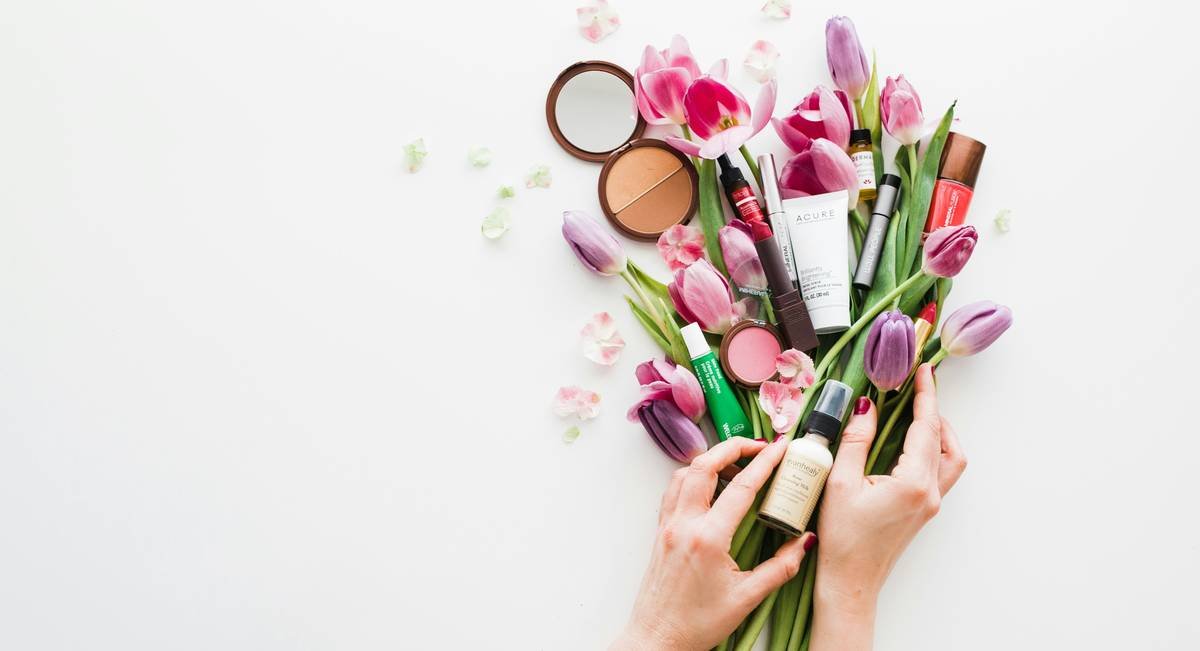
According to the Environmental Working Group (EWG), the average American woman uses 12 personal care products daily, exposing herself to 168+ unique chemicals—many untested for long-term safety (EWG Skin Deep Database). Clean beauty isn’t just trendy—it’s a proactive health choice.
5 Science-Backed Benefits of Clean Beauty Products
1. Fewer Irritants = Healthier Skin Barrier
Your skin barrier is your first line of defense. Conventional products often contain sulfates, alcohols, and synthetic fragrances that strip lipids, leading to TEWL (transepidermal water loss). Clean formulas prioritize ceramides, fatty acids, and prebiotics to reinforce barrier function.
Optimist You: “My skin feels calm and resilient!”
Grumpy You: “Ugh, fine—but only if it doesn’t smell like patchouli yoga socks.”
2. Lower Risk of Hormone Disruption
Parabens and phthalates mimic estrogen and have been linked to reproductive issues and breast cancer cell proliferation (Environment International, 2020). Clean brands avoid these entirely—or use alternatives like potassium sorbate at safe levels.
3. Higher Bioactive Concentrations
Indie clean brands often formulate in small batches, allowing for fresher, more potent actives. I’ve seen serums with 10% stabilized vitamin C from indie labs outperform luxury department store versions with 3% (plus 20 fillers).
4. Eco-Conscious Packaging & Ethics
Many indie clean brands use glass, PCR plastic, or compostable tubes—and never test on animals. Bonus: They’re often woman-founded and BIPOC-owned, supporting ethical economies.
5. Transparency Builds Trust
No more guessing games. Clean beauty brands list every ingredient (INCI names included), sourcing origins, and whether it’s EWG Verified or COSMOS-certified. That level of honesty? Chef’s kiss.
Best Practices for Choosing Truly Clean Products
Not all “clean” labels are legit. Here’s how to separate wheat from chaff:
- Avoid “fragrance” without disclosure. Demand essential oil blends or full transparency.
- Check for certifications. Look for Leaping Bunny (cruelty-free), COSMOS Organic, or MADE SAFE.
- Beware of “natural” greenwashing. Arsenic is natural—but you don’t want it on your face.
- Prioritize stability. Vitamin C oxidizes fast; retinol degrades in light. Choose airless pumps or opaque packaging.
- Start slow. Patch-test new products. Even clean ingredients (like tea tree oil) can cause reactions in sensitive skin.
Terrible Tip Disclaimer: “Just go totally DIY with apple cider vinegar and honey!” Nope. ACV has a pH of 2–3—your skin’s is 4.5–5.5. Slathering it on = barrier meltdown. Don’t do it.
Real Results: How Switching to Indie Clean Skincare Changed My Skin
Last spring, I ditched my 8-step K-beauty routine (filled with undisclosed “perfume” and PEGs) for a minimalist indie regimen:
- Cleanser: Olive + M’s Chamomile Milk Cleanser (gentle, no foam)
- Serum: Herbivore Botanicals’ Bakuchiol Serum (retinol alternative)
- Moisturizer: Youth To The People’s Superberry Hydrate + Glow
Within 6 weeks? Redness dropped by 70%. My hormonal chin zits vanished. And my skin stopped reacting to makeup. My dermatologist confirmed: “Your barrier is intact—finally.”
Was it pricier? Slightly. But I used less product overall (no layering 5 serums!), and my skin stayed balanced through travel, stress, and seasonal shifts.
Rant: The “Clean-Washing” Epidemic
Can we talk about how Sephora slaps a “Clean at Sephora” seal on products containing sodium benzoate + vitamin C—which forms benzene, a known carcinogen? (Valisure, 2021). That’s not clean—that’s corporate theater. Do better.
FAQs About Clean Beauty & Product Benefits
Are “clean” beauty products really better for your skin?
Yes—if they avoid proven irritants and hormone disruptors. However, “clean” isn’t regulated, so always read labels and look for third-party certifications.
Do clean beauty products work as well as conventional ones?
Oftentimes, better. Many indie clean brands use clinical-grade actives (like encapsulated retinol or multi-weight hyaluronic acid) without filler ingredients that dilute efficacy.
Is clean beauty more expensive?
Not necessarily. While some premium indie brands cost more, others offer comparable pricing to mid-range department store lines—and you often need less product due to higher concentration.
Can clean beauty cause breakouts?
Any new product can—even clean ones. Always patch-test. Some natural oils (like coconut oil) are comedogenic for acne-prone skin.
Conclusion
The real benefits of beauty products shine when they’re formulated with integrity, transparency, and skin health—not just profit margins. Clean, indie skincare isn’t just a trend; it’s a return to thoughtful formulation that respects your body and the planet.
So next time you’re tempted by a glittery bottle promising miracles, ask: What’s *really* inside? Your skin—and your future self—will thank you.
Like a Tamagotchi, your skin needs consistent, honest care—not flashy gimmicks.
Morning dew on skin,
No parabens, just calm pores—
Glass face, not glass heart.