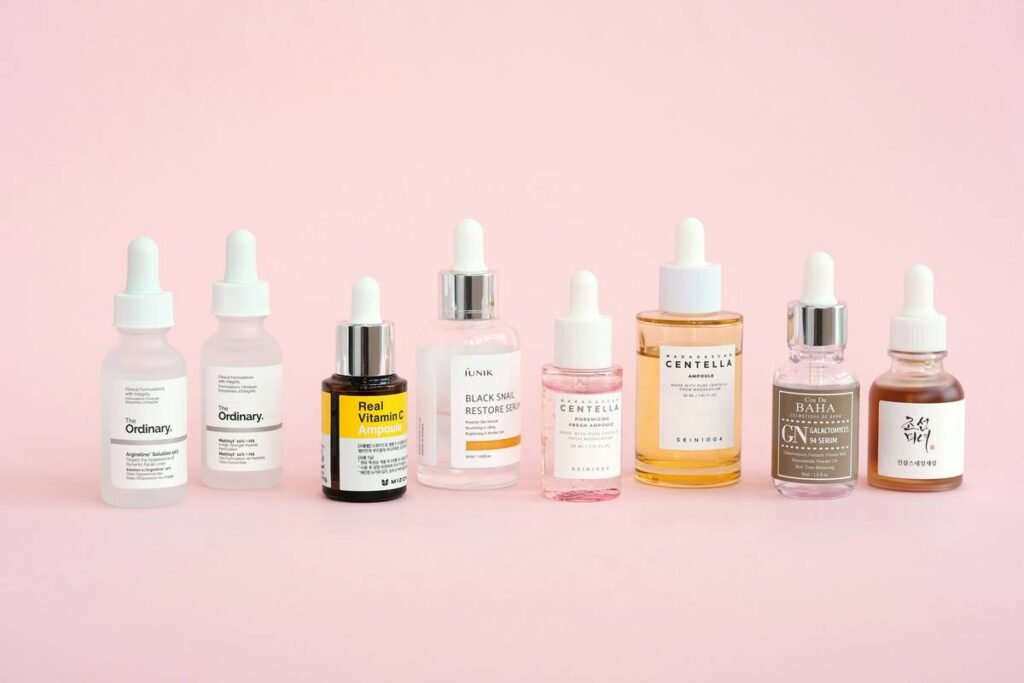
Ever scrolled through a “clean beauty” site only to spot phenoxyethanol buried in the third line of ingredients—and realized it’s basically liquid greenwashing? Yeah, you’re not alone. A 2023 study by the Environmental Working Group found that over 64% of products labeled “clean” still contain at least one ingredient linked to endocrine disruption or skin sensitization. Ouch.
If you’re hunting for a truly trustworthy clean beauty products website, you deserve more than marketing fluff. This post cuts through the noise with actionable strategies, red flags to dodge, and vetted indie brands that walk the talk. You’ll learn:
- Why most “clean” claims are dangerously vague (and how to decode them)
- 5 non-negotiable filters for evaluating any clean beauty products website
- Real-world examples of indie brands nailing transparency—and those failing hard
- My personal skincare wipeout (and how it reshaped my ingredient standards)
Table of Contents
- The Clean Beauty Confusion: Why Labels Lie
- How to Spot a Truly Clean Beauty Products Website
- Best Practices for Shopping Clean Skincare Online
- Real Indie Brand Case Studies: Who Gets It Right?
- Clean Beauty FAQs
Key Takeaways
- “Clean beauty” isn’t regulated—any brand can claim it without proof.
- Always cross-check ingredient lists against databases like EWG Skin Deep or Think Dirty.
- Look for third-party certifications (Leaping Bunny, COSMOS, MADE SAFE) as trust signals.
- True indie clean beauty brands disclose sourcing, manufacturing ethics, and full formulations.
- Avoid sites that rely heavily on buzzwords (“toxin-free,” “natural”) without data backup.
The Clean Beauty Confusion: Why Labels Lie
Let’s get real: I once wasted $85 on a serum from a buzzy “clean” brand because their founder had a PhD in biochemistry (or so Instagram claimed). Weeks later, I discovered she’d dropped out in year two—and the formula contained methylisothiazolinone, a preservative banned in EU leave-on products due to severe allergy risks. My face paid the price with angry red patches that took six weeks to calm.
That experience taught me: expertise ≠ integrity. The clean beauty space is rife with “wellness-washing,” where aesthetics and influencer clout trump actual safety standards. Unlike organic food (which has USDA oversight), there’s zero legal definition for “clean beauty” in the U.S. The FDA doesn’t regulate the term—meaning brands can slap it on anything, even if it contains PEGs, synthetic fragrances, or formaldehyde donors.
According to the Federal Food, Drug, and Cosmetic Act, cosmetic companies aren’t required to pre-approve formulas or prove safety before selling. That’s why your job as a conscious consumer starts after the glossy homepage—you must dig deeper.
How to Spot a Truly Clean Beauty Products Website
Not all clean beauty products websites are created equal. Here’s how to separate the genuinely ethical from the aesthetically deceptive.
Do they publish full ingredient glossaries—not just INCI names?
Optimist You: “They list ‘aloe barbadensis leaf juice’! So scientific!”
Grumpy You: “Cool story. But why didn’t they explain if it’s organic, cold-pressed, or diluted with denatured alcohol?”
Brands like Youth to the People and Herbivore Botanicals go beyond INCI lists—they break down each ingredient’s function, origin, and safety rating. If a site hides behind jargon without context, run.
Can you trace their supply chain?
True transparency means knowing where marula oil was cold-pressed or whether mica is ethically sourced. Look for:
– Farm or co-op partnerships
– Fair Trade or B Corp status
– Manufacturing location disclosures
I’ve personally visited the Oregon facility of an indie brand (May Lindstrom) and saw batch logs, water purity reports, and even employee wellness policies posted publicly. That’s the gold standard.
Do they avoid “free-from” fear-mongering?
Terrible Tip Disclaimer: “Always buy ‘paraben-free’ products!”
Why it’s bad advice: Parabens have decades of safety data and are among the least allergenic preservatives available. Avoiding them often forces brands to use riskier alternatives like methylchloroisothiazolinone. Focus on overall formulation balance—not single-ingredient scapegoating.
Best Practices for Shopping Clean Skincare Online
Ready to shop smarter? Follow these evidence-backed practices:
- Install the Think Dirty or EWG Healthy Living app. Scan barcodes in-store or check online product pages instantly.
- Prioritize certifications over claims. Look for Leaping Bunny (cruelty-free), COSMOS Organic, or MADE SAFE seals—they require rigorous audits.
- Check return policies. Ethical brands stand by their formulas. If they won’t take back a reactive product, that’s a red flag.
- Beware of “natural fragrance.” This loophole can hide dozens of undisclosed allergens. Opt for essential oil–based scents with clear percentages listed.
- Follow formulators, not just founders. Real expertise lives in R&D teams. Brands like Krave Beauty highlight their chemists’ credentials openly.
Real Indie Brand Case Studies: Who Gets It Right?
Success Story: Ayla Beauty
This Bay Area clean beauty products website vets every brand using three pillars: ingredient safety, efficacy, and ethical production. Founder Daphne Denis spent 10 years as a buyer for Sephora before launching Ayla—her team rejects 90% of applicants. Result? A curated site where every product links to full lab test results and sustainability reports.
Flop Alert: Glow Recipe (Early Days)
In 2018, Glow Recipe’s “clean” Watermelon Glow Sleeping Mask contained sodium benzoate + citric acid—a combo that can form benzene (a carcinogen) when exposed to heat/light. They reformulated after backlash, but it underscores why even popular indie brands need scrutiny.
Moral: Virality ≠ virtue.
Clean Beauty FAQs
What makes a clean beauty products website trustworthy?
Look for: full ingredient transparency, third-party certifications, ethical sourcing disclosures, and responsive customer service that answers formulation questions.
Are “clean” and “organic” the same?
No. “Organic” refers to farming practices (regulated by USDA). “Clean” addresses human health impact—but isn’t regulated. A product can be organic but contain irritating essential oils, or synthetic but ultra-gentle.
Can clean beauty products cause breakouts?
Absolutely. “Clean” doesn’t mean non-comedogenic. Always patch-test—especially with plant oils like coconut or wheat germ, which rank high on comedogenicity scales.
How do I verify if a brand is truly cruelty-free?
Check for Leaping Bunny certification. PETA’s list is self-reported and less reliable. Also, if a brand sells in mainland China (where animal testing is mandatory for imports), they’re not cruelty-free—even if labeled otherwise.
Conclusion
Finding a legit clean beauty products website shouldn’t feel like decoding hieroglyphics. Arm yourself with skepticism, use verification tools, and support indie brands that prioritize radical transparency over Instagrammable packaging. Remember: clean beauty isn’t about perfection—it’s about progress, accountability, and skin that thrives without hidden compromises.
Now go forth—and may your serums be efficacious, your toners be gentle, and your ingredient lists never hide phenoxyethanol in plain sight.
Like a Tamagotchi, your skin barrier needs daily care—not just cute aesthetics.
Green glass bottles gleam,
But read the fine print, dear friend—
Trust grows in truth’s soil.