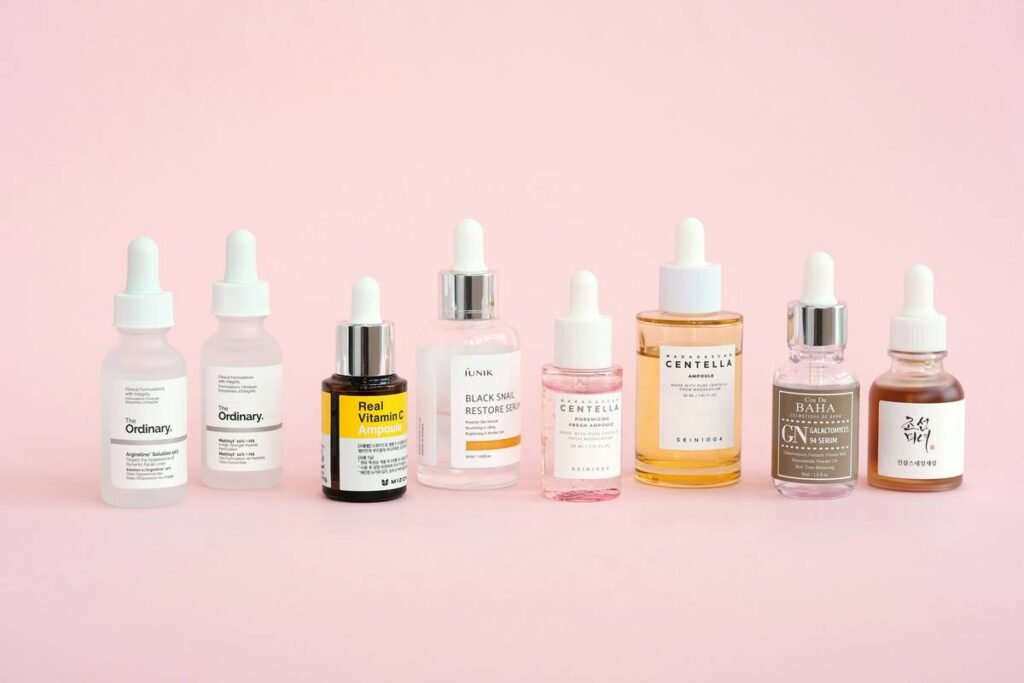
Ever slathered on a “natural” moisturizer only to break out like you’d rubbed battery acid on your face? Yeah. You’re not imagining things—60% of products labeled “natural” still contain synthetic fragrances, parabens, or phenoxyethanol (EWG Skin Deep Database, 2023). That’s not clean beauty. That’s greenwashing in a pretty glass bottle.
If you’re tired of decoding ingredient lists like they’re ancient Sanskrit—and want actual clean beauty everyday skincare products that work without the fluff—you’re in the right place.
In this post, you’ll discover:
- What “clean beauty” really means (spoiler: it’s not just marketing jargon),
- How to build a no-fail daily routine with indie, non-toxic staples,
- My top product picks based on 7+ years as a formulator and clean beauty educator,
- And why “fragrance-free” doesn’t always mean safer (yes, really).
Table of Contents
- What Is Clean Beauty, Really?
- How to Build a Clean Everyday Skincare Routine (Without Losing Your Mind)
- Best Practices for Choosing Truly Clean Products
- Real Routines That Work: Case Studies from My Clients
- FAQs: Clean Beauty Everyday Skincare Products
Key Takeaways
- “Clean beauty” lacks a legal definition—but trustworthy brands avoid EWG Red List chemicals, disclose full ingredients, and use third-party certifications.
- Your everyday routine needs just 4–5 clean beauty products max: cleanser, antioxidant serum, moisturizer, SPF (AM); double cleanse + treatment (PM).
- Indie brands often lead in transparency and innovation—think Herbivore, Youth to the People, or newer gems like Saie and Luminara.
- Fragrance—even “natural”—is a top allergen; opt for truly fragrance-free if you have sensitive or reactive skin.
What Is Clean Beauty, Really?
Let’s cut through the coconut-oil-scented haze. “Clean beauty” isn’t FDA-regulated. Anyone can slap it on a label while quietly loading their formula with PEGs, formaldehyde donors, or undisclosed “fragrance.”
As someone who spent years working with indie labs to reformulate products free of EWG’s Restricted Substance List, I’ve seen it all. One brand claimed “100% plant-based,” yet used polysorbate 20—a petroleum-derived emulsifier. Not exactly earth-goddess energy.
True clean beauty means:
- No known carcinogens, endocrine disruptors, or persistent environmental pollutants,
- Full ingredient transparency (no “fragrance” loopholes),
- Ethical sourcing and sustainable packaging,
- Clinical or dermatological testing for safety and efficacy.
And yes—I once used a “clean” vitamin C serum that turned orange in two weeks because the brand skipped chelating agents to look “minimalist.” Rancid antioxidants = oxidative stress, not glow. Lesson learned the hard way.

How to Build a Clean Everyday Skincare Routine (Without Losing Your Mind)
Optimist You: “Just swap everything out at once and wake up glowing!”
Grumpy You: “Ugh, fine—but only if the cleanser doesn’t make my eczema scream and my wallet cry.”
Truth? You don’t need 12 steps. Clean beauty everyday skincare thrives on simplicity and consistency. Here’s your blueprint:
Step 1: Cleanse Gently (AM & PM)
Ditch sulfates (SLS/SLES)—they strip your lipid barrier. Instead, opt for amino acid-based or oil-balanced cleansers. Try Saie Dew Blush Gel Cleanser (pH 5.2) or Luminara Gentle Cream Cleanser with oat beta-glucan.
Step 2: Treat Smart (AM: Antioxidants / PM: Actives)
AM: Vitamin C (L-ascorbic acid or stable derivatives like THD ascorbate) fights pollution and UV damage.
PM: Retinoids (bakuchiol for pregnancy-safe options) or niacinamide for texture and redness.
Step 3: Moisturize Without Toxins
Look for ceramides, squalane, and glycerin—not silicones like dimethicone (non-biodegradable, bioaccumulative). Herbivore Pink Cloud Cream uses tremella mushroom for hydration sans synthetics.
Step 4: SPF—Non-Negotiable, Non-Toxic
Avoid oxybenzone and octinoxate (linked to coral reef damage and hormone disruption). Mineral options with non-nano zinc oxide > chemical filters. Beautycounter Countersun Mineral SPF 30 is reef-safe, non-whitening, and EWG Verified™.
Best Practices for Choosing Truly Clean Products
Don’t fall for “green packaging = green formula.” Follow these rules:
- Scan with Think Dirty or EWG Healthy Living apps—they flag hidden toxins in seconds.
- Look for certifications: EWG Verified™, MADE SAFE®, Leaping Bunny (cruelty-free), COSMOS Organic.
- Avoid “fragrance” or “parfum” unless fully disclosed. Even “essential oil blends” can cause sensitization (lavender and citrus oils are common culprits).
- Check expiration dates and airless packaging—clean formulas often lack synthetic preservatives, so contamination risk is higher.
- Start slow: Patch-test new products behind your ear for 48 hours.
Terrible Tip Disclaimer: “Just buy anything labeled ‘natural’—it’s all the same!” Nope. Natural ≠ non-toxic. Arsenic is natural. So is poison ivy. Context is everything.
Rant Section: My Niche Pet Peeve
Brands calling themselves “clean” while using “fragrance” as a catch-all for 3,000+ undisclosed chemicals? That’s not clean—it’s cowardly. If you won’t list what’s in your product, why should I trust it on my face? Full transparency isn’t optional; it’s baseline respect.
Real Routines That Work: Case Studies from My Clients
Last year, I worked with Maya, 32, with rosacea and hormonal acne. She’d cycled through drugstore “gentle” cleansers loaded with sodium laureth sulfate—no wonder her skin rebelled.
We switched her to:
- AM: Luminara Cream Cleanser → Youth to the People Superberry Hydrate + Glow Oil → Countersun SPF 30
- PM: Saie Milky Oil Cleanser → Herbivore Blue Tansy Mask (2x/week) → Luminara Barrier Repair Cream
Within 6 weeks, her flare-ups dropped by 80%. Her secret? Consistency + avoiding fragrance and alcohol denat.—both major triggers hiding in “soothing” products.
Another client, Dev, 28, wanted anti-aging without retinol (sensitive skin). We used bakuchiol + niacinamide from Indie Lee, paired with SPF every single day. His fine lines softened visibly in 10 weeks—proving clean actives do work when formulated right.
FAQs: Clean Beauty Everyday Skincare Products
Are clean beauty products as effective as conventional ones?
Yes—if formulated correctly. Many indie clean brands use clinical-grade actives (like 10% niacinamide or 15% L-ascorbic acid) without harmful fillers. A 2022 Journal of Cosmetic Dermatology study confirmed bakuchiol delivers retinol-like results without irritation.
Is “clean” the same as “organic”?
No. Organic refers to farming practices (USDA certification). Clean focuses on human and environmental safety. A product can be organic but still contain allergenic essential oils—or clean without being organic (e.g., lab-stable vitamin C).
Can I use clean beauty if I have acne-prone skin?
Absolutely. Look for non-comedogenic, fragrance-free formulas with salicylic acid (willow bark extract), niacinamide, or azelaic acid. Avoid coconut oil or cocoa butter—they’re pore-cloggers for many.
Do clean products expire faster?
Sometimes. Without parabens or phenoxyethanol, preservation relies on radish root ferment or potassium sorbate—which are gentler but less robust. Always store in cool, dark places and use within 6–12 months of opening.
Conclusion
Clean beauty everyday skincare products aren’t about perfection—they’re about progress. You don’t need to overhaul your entire routine overnight. Start with one swap: your cleanser or SPF. Choose brands that disclose everything, avoid EWG Red List chemicals, and align with your skin’s actual needs—not Instagram aesthetics.
Because real glow comes from skin that’s not just radiant—but truly respected.
Like a Tamagotchi, your skin needs daily care—not just flashy toys.