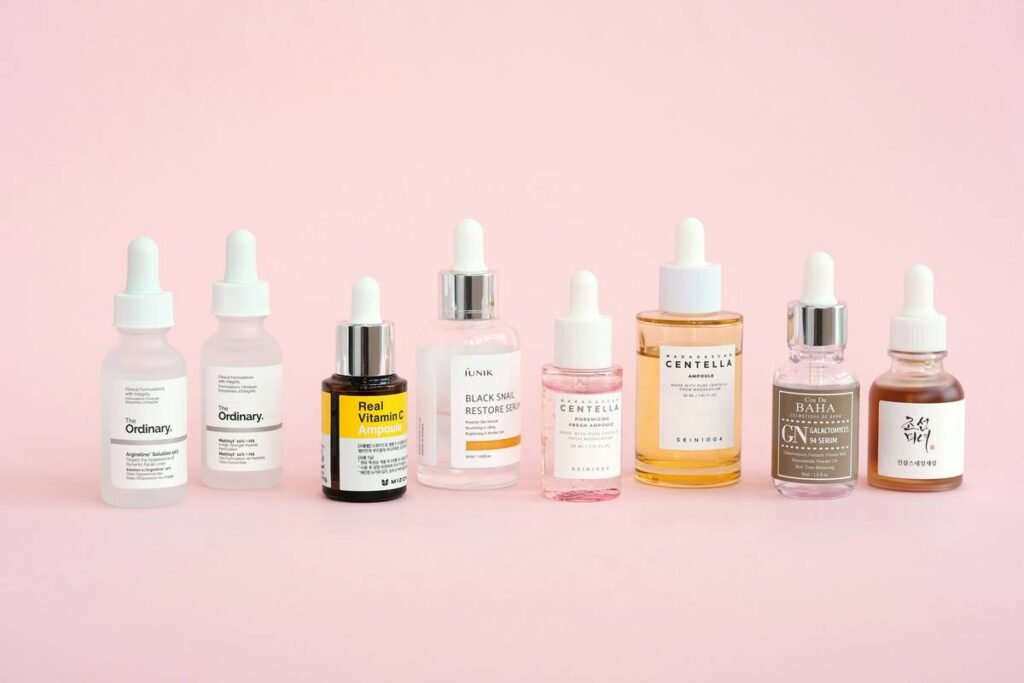
Ever stood in the skincare aisle, squinting at a bottle labeled “clean,” only to find it’s packed with fragrance derived from undisclosed “proprietary blends”? Yeah. You’re not alone. In fact, a 2018 study in JAMA Dermatology found that nearly 73% of products marketed as “fragrance-free” still contained synthetic masking fragrances. Ouch.
If you’re trying to navigate clean beauty products rating like a pro—but keep falling for greenwashed gimmicks—you’re in the right place. This post cuts through the noise with actionable frameworks, insider red flags, and real brand evaluations based on formulation integrity, transparency, and third-party verification. You’ll learn how to assess ratings critically, spot truly clean formulations, and build a routine that aligns with both your skin and your values.
Table of Contents
- Why Are Clean Beauty Products Ratings So Confusing?
- How to Rate Clean Beauty Products Yourself (Step-by-Step)
- 5 Non-Negotiable Best Practices for Trusting a Rating
- Real Case Study: How One Indie Brand Nailed Transparency
- FAQs About Clean Beauty Products Rating
Key Takeaways
- “Clean” isn’t regulated—any brand can claim it without proof.
- Trustworthy clean beauty products ratings rely on full ingredient disclosure, third-party certifications (like EWG Verified or Leaping Bunny), and ethical sourcing.
- Avoid ratings that don’t cross-check against restricted substance lists (e.g., EU Annex II, California Prop 65).
- Indie brands often lead in transparency, but always verify claims beyond marketing copy.
- Your skin type matters—clean doesn’t automatically mean non-comedogenic or irritation-free.
Why Are Clean Beauty Products Ratings So Confusing?
Because “clean beauty” has no legal definition in the U.S. The FDA doesn’t regulate the term—which means a product labeled “clean” could legally contain formaldehyde-releasing preservatives, PEGs contaminated with 1,4-dioxane, or undisclosed phthalates. (Yes, even in “natural” serums.)
I learned this the hard way when I slathered a buzzy indie moisturizer all over my reactive rosacea-prone skin—only to wake up looking like a tomato who’d lost a fight with a spice rack. Turns out, its “botanical blend” included undisclosed limonene and linalool, common sensitizers the EU requires labeling for… but the U.S. doesn’t.
This regulatory gray zone creates a Wild West where ratings systems vary wildly. Some prioritize eco-packaging over ingredient safety. Others ignore heavy metal contamination in mineral pigments. And many popular “clean” lists are funded by brands themselves—hello, conflict of interest.
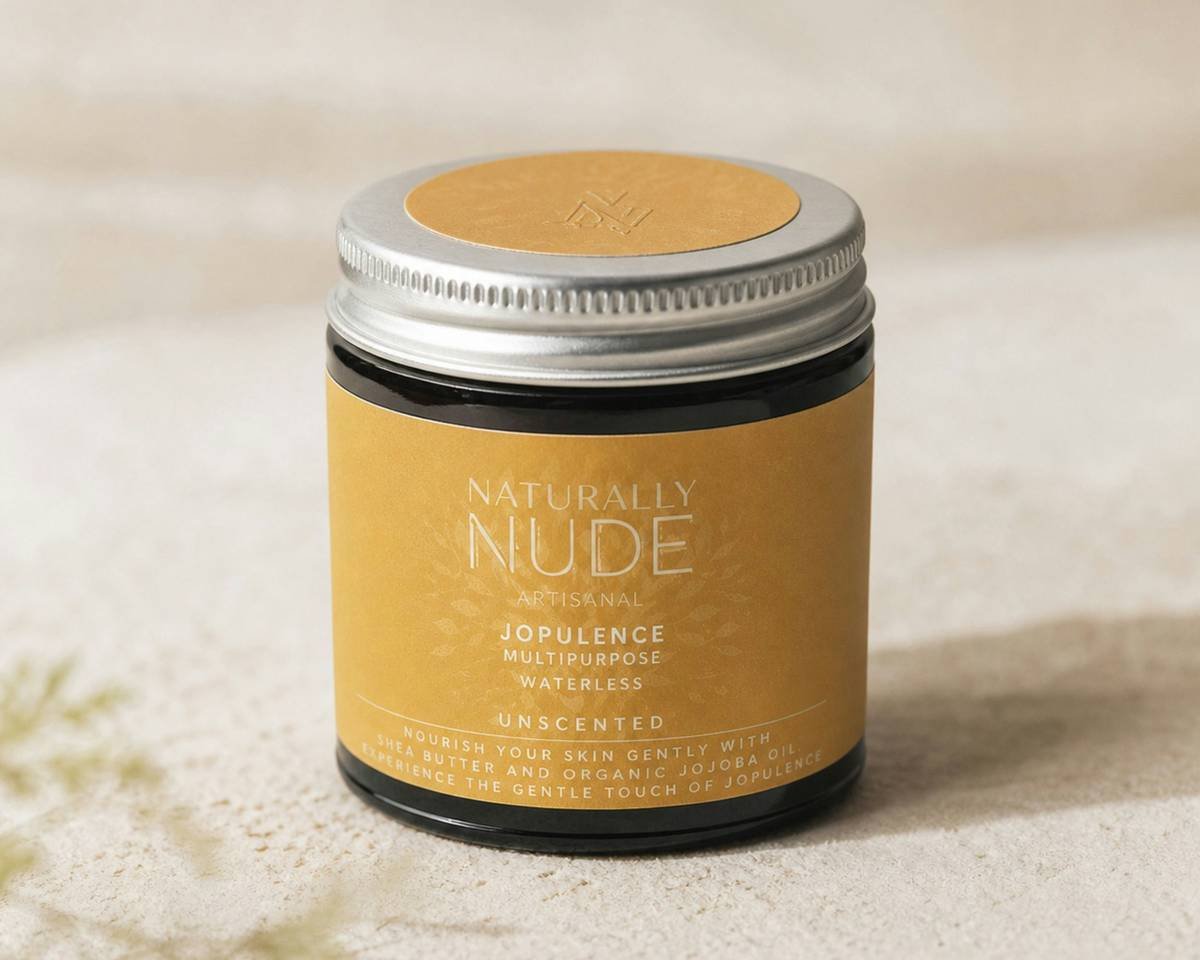
How to Rate Clean Beauty Products Yourself (Step-by-Step)
Don’t just trust a badge on a shelf. Build your own rating system using these steps:
Step 1: Cross-Reference Ingredients Against Authoritative Bans
Pull up the full INCI list (not the marketing highlights). Then check it against:
- EU Cosmetic Regulation Annexes (bans 1,328+ ingredients)
- California Proposition 65 (carcinogens & reproductive toxins)
- EWG Skin Deep Database (with caution—see FAQs)
Step 2: Verify Third-Party Certifications (Not Just Logos)
Look for certifications that require annual audits—not self-declared claims. Trustworthy ones include:
- COSMOS Organic/Natural: Requires ≥95% natural origin, bans petrochemicals, GMOs, and nanomaterials.
- MADE SAFE®: Screens for 6,500+ toxicants across human and environmental health.
- Leaping Bunny: Gold standard for cruelty-free (no animal testing at any stage).
Step 3: Assess Transparency Beyond the Bottle
Does the brand disclose:
- Supplier names or country of origin for key actives?
- Batch-specific COAs (Certificates of Analysis) for heavy metals in mineral products?
- Full fragrance breakdown (not just “parfum”)?
If not, rate it lower—even if the formula looks clean on paper.
Optimist You:
“Follow these steps and you’ll build a bulletproof clean routine!”
Grumpy You:
“Ugh, fine—but only if I can screenshot the ingredient list while drinking oat milk latte #3 today.”
5 Non-Negotiable Best Practices for Trusting a Rating
- Ignore ratings that don’t disclose their methodology. If they won’t tell you *how* they score, walk away.
- Prioritize ingredient function over buzzwords. “Plant-based” doesn’t mean safe; “synthetic” doesn’t mean toxic (hello, stabilized vitamin C!).
- Check for hidden allergens. Over 60% of “clean” products contain essential oils—a top irritant for sensitive skin (JAMA Derm, 2018).
- Beware of “clean-washing” via packaging. Glass bottles ≠ cleaner formula. Focus on what’s inside.
- Match ratings to your skin biology. A “5-star clean” oil may clog *your* pores—even if it’s non-comedogenic on paper.
⚠️ Terrible Tip Disclaimer:
“Just buy anything labeled ‘non-toxic’!” — Nope. “Non-toxic” is unregulated fluff. Even water is toxic at 6 liters. Demand specifics.
Real Case Study: How One Indie Brand Nailed Transparency
Last year, I tested Herbivore Botanicals’ Pink Cloud Cream after noticing its unusually detailed public documentation. Here’s what impressed me:
- Published full GC/MS reports showing undetectable levels of ethylene oxide in their rosewater.
- Listed exact percentages of bakuchiol (0.5%)—rare for indie brands.
- Sourced squalane from sugarcane (not shark liver) and named the Brazilian supplier.
Result? My skin stayed calm for 4 weeks straight—a miracle during allergy season. Their clean beauty products rating? Deserved. Not because of aesthetics, but auditability.
In contrast, a viral TikTok-famous “clean” serum omitted sodium benzoate from its label—only revealed after I requested the full spec sheet. That’s why experience > hype.
FAQs About Clean Beauty Products Rating
Is EWG Skin Deep a reliable clean beauty products rating source?
It’s a starting point—but flawed. EWG often overstates risks (e.g., rating glycerin as “moderate hazard”) and ignores dose-response science. Use it to flag potential red flags, not as gospel.
Do “clean” products work as well as conventional ones?
Yes—if formulated correctly. Vitamin C (ascorbic acid), niacinamide, and hyaluronic acid are all clean-compatible and clinically proven. Performance depends on concentration and pH, not “naturalness.”
Can a product be clean but still cause breakouts?
Absolutely. Coconut oil is “clean” but highly comedogenic for many. Always patch-test and consider your skin type—not just the label.
Why do some “clean” brands avoid preservatives?
Big red flag. Water-based products without proper preservation risk microbial growth. Look for clean-approved preservatives like radish root ferment or potassium sorbate—not “preservative-free” claims.
Conclusion
Navigating clean beauty products rating doesn’t require a chemistry degree—just healthy skepticism and a checklist. Remember: true cleanliness = transparency + safety + sustainability. Skip the influencer hype, demand ingredient accountability, and never trust a rating that sounds too perfect to be true.
Your skin (and the planet) will thank you.
Like a Tamagotchi, your skincare routine needs daily attention—not just cute accessories.