You’ve tried the viral serums. You’ve layered on “clean” creams that cost more than your lunch. Yet breakouts linger, redness flares, and your skin still looks tired. Why? Because most beauty tips and skincare routines are built on marketing—not science. They ignore your microbiome, overload actives, and chase trends instead of balance. The solution isn’t another 10-step ritual. It’s stripping back to what truly supports resilient, glowing skin—without toxic shortcuts.
Why Your Current Skincare Isn’t Cutting It
Most mainstream routines treat skin like a chemistry set—dump in acids, slather on synthetics, hope for miracles. But your skin isn’t inert. It’s a living ecosystem. And flooding it with harsh sulfates, synthetic fragrances, or even “natural” essential oils can wreck its barrier function. Fast.
And don’t get me started on “non-toxic” greenwashing. Brands slap on leafy logos while sneaking in PEGs, phenoxyethanol, or undisclosed fragrance blends. The result? Sensitized skin, inflammation, and zero progress. You’re not failing. The system is.
beauty tips and skincare routines: A Minimalist, Evidence-Backed Framework
Forget complexity. Real clean beauty thrives on consistency, biocompatibility, and strategic simplicity. Here’s how to build a routine that respects your skin’s biology—not your Instagram feed.
Step 1: Cleanse—But Not Like You Think
Ditch foaming sulfates. They strip lipids and spike pH. Instead, use a low-pH gel or balm with saponified oils or amino acid surfactants. Massage gently—30 seconds max. Over-cleansing signals your skin to produce more oil. Counterproductive.
Step 2: Hydrate Before You Treat
Serums work best on damp skin. Always apply hyaluronic acid (or better yet, tremella mushroom extract) to wet skin. This traps water—not just surface moisture, but intercellular hydration. Skip this, and your vitamin C or retinol sits on dry desert terrain.
Step 3: Nourish Your Barrier—Not Just Surface Gloss
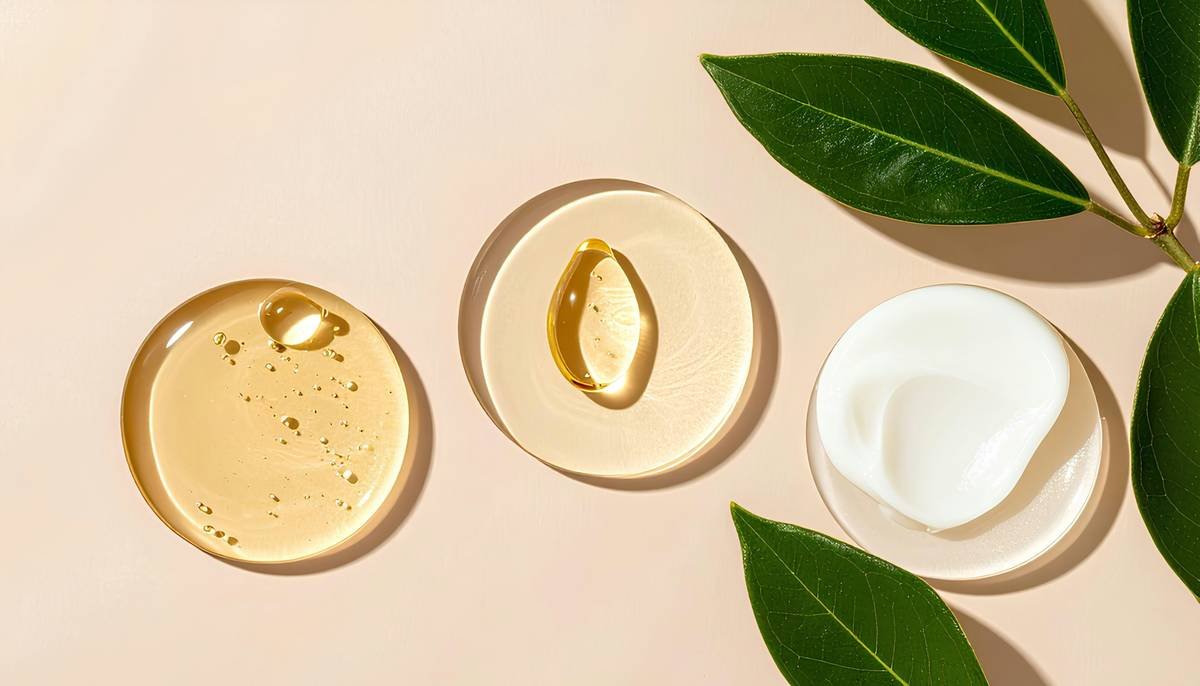
Clean moisturizers should contain ceramides, squalane, or shea butter—not just “botanical extracts.” These rebuild lipid layers. Without them, even the gentlest routine fails. Think of your barrier as a brick wall. Actives are the decorators. But if the bricks crumble, paint won’t stick.
| Routine Approach | Ingredients to Avoid | Clean Alternatives | Time to See Results |
|---|---|---|---|
| Conventional “Clean” Routine | Fragrance, PEGs, Alcohol Denat | Aloe, Glycerin, Oat Extract | 4–8 weeks (if barrier intact) |
| Truly Non-Toxic Indie Routine | All undisclosed “fragrance,” Essential Oils, Parabens | Bakuchiol, Niacinamide (non-ethoxylated), Postbiotics | 2–6 weeks (with consistent use) |
| Overloaded Trend Routine | Mixing 5+ actives nightly | One active + barrier support | Often causes irritation—delays results |
Step 4: Sunscreen—The Non-Negotiable
No routine is complete without daily mineral SPF 30+. Zinc oxide protects without endocrine disruption. Look for non-nano, uncoated formulas. Yes, they may leave a cast. But your future skin will thank you—with fewer sunspots, less collagen breakdown, and no hormone mimickers in your bloodstream.

The Industry Secret: Less Is More—Especially With “Actives”
Here’s what brands won’t tell you: your skin can only process so much at once. Layering glycolic acid, retinol, vitamin C, and niacinamide nightly isn’t brilliance—it’s assault. The indie clean beauty pioneers I’ve worked with? They formulate for *synergy*, not stackability. One hero ingredient per phase. Paired with barrier-repairing bases. The math is simple: if your skin stings or flakes, you’ve broken its defenses. Glow comes from resilience—not irritation masquerading as “purging.”
And—but this surprises clients—sometimes skipping actives entirely for 2 weeks resets everything. Let your skin breathe. Rebuild. Then reintroduce—slowly.
Frequently Asked Questions
What’s the simplest clean skincare routine for beginners?
Cleanser → Hydrating serum on damp skin → Barrier-supporting moisturizer → Mineral sunscreen by day. That’s it. Master this before adding actives.
Are “fragrance-free” products always safer?
Not necessarily. “Fragrance-free” can still contain masking scents. Always check for “no added fragrance” and avoid essential oils if you have reactive skin.
Can clean beauty routines really treat acne?
Yes—but not with tea tree oil bombs. Look for non-comedogenic formulas with azelaic acid, zinc PCA, or postbiotic lysates. They calm inflammation without stripping.