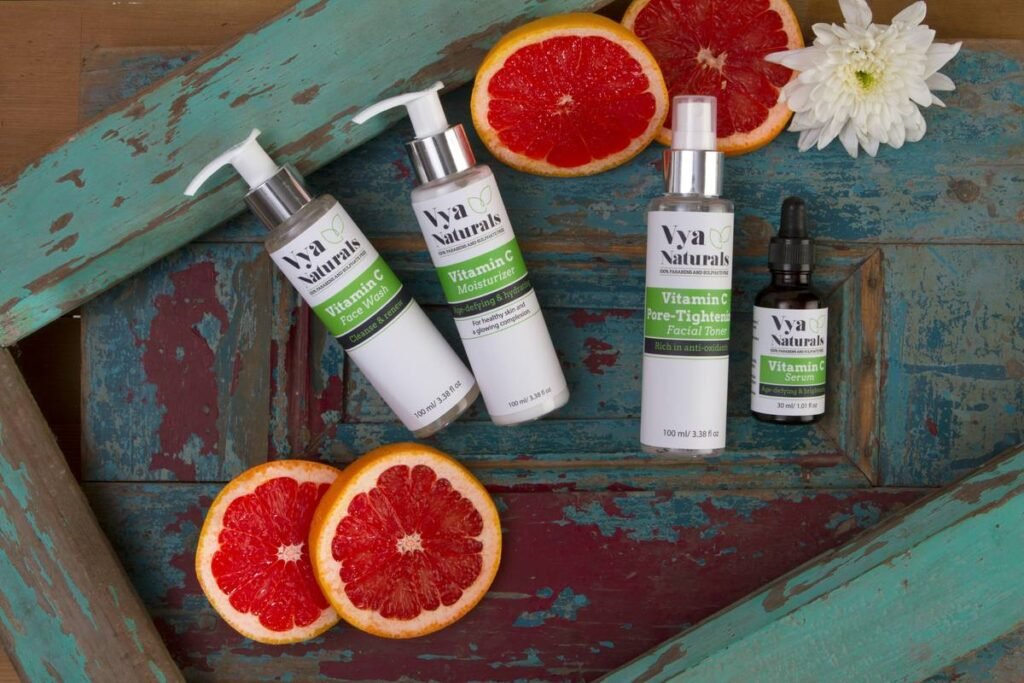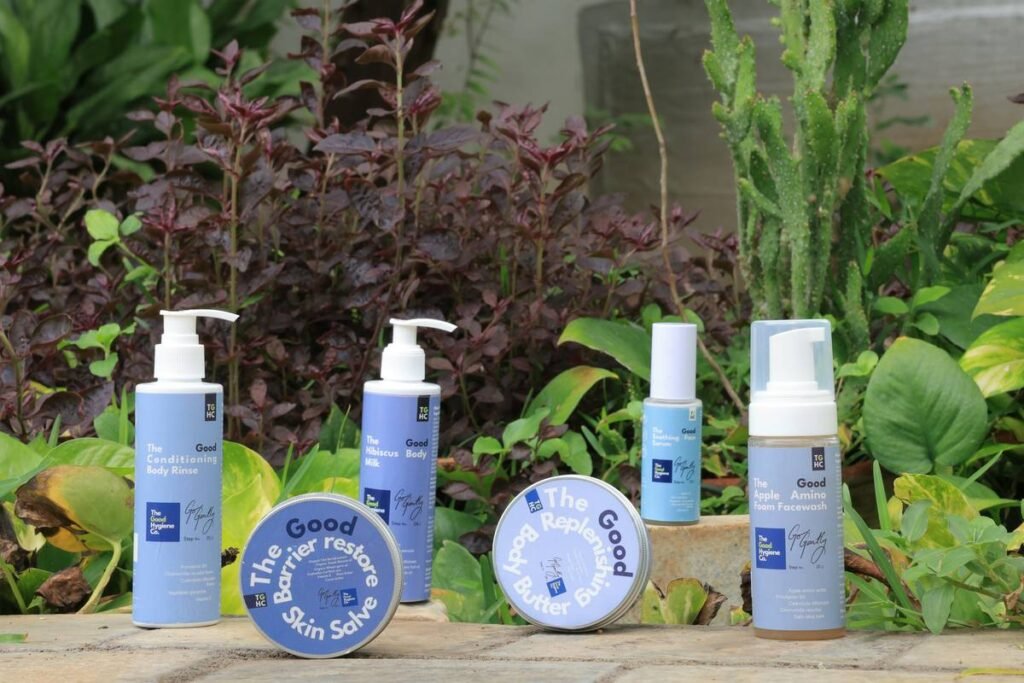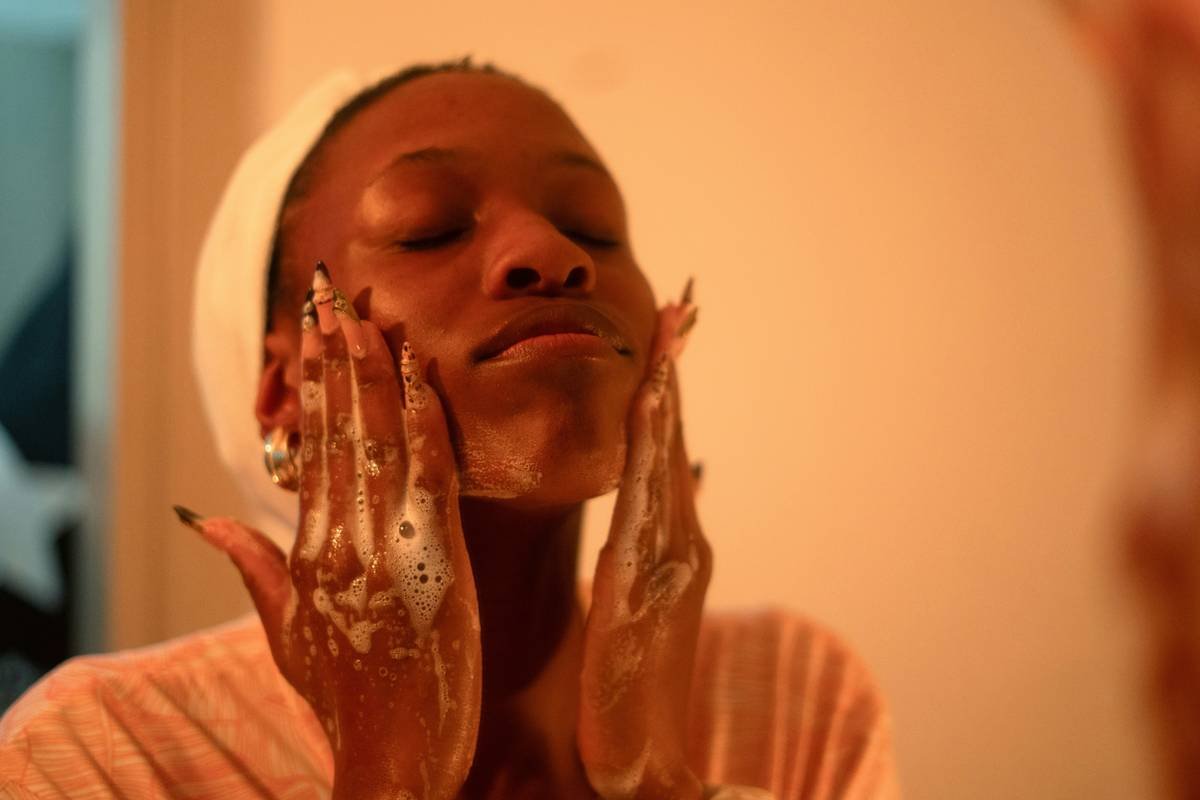
You’ve tried everything—foaming cleansers that strip your face raw, serums promising miracles, exfoliants that leave you red for days. Yet your skin still breaks out, feels tight, or looks dull. Why? Because most routines ignore a brutal truth: toxic ingredients hide behind “natural” labels. The fix isn’t more products—it’s fewer, smarter ones. A true clean and clear skin care routine starts with what you *stop* using.
Why Your “Clean” Routine Is Still Failing You
“Clean beauty” isn’t regulated. Brands slap it on bottles filled with synthetic fragrances, PEGs, or preservatives like phenoxyethanol—chemicals linked to endocrine disruption. And here’s the kicker: many indie brands mimic mainstream formulas but swap one paraben for another equally sketchy preservative system.
Think about it. If your toner stings or your moisturizer pills under makeup, your barrier is compromised—not clarified. Real clarity comes from respecting your skin’s ecosystem, not nuking it into submission.
clean and clear skin care routine: 4 Non-Negotiable Steps
Forget 10-step K-beauty marathons. A sustainable, effective routine hinges on intentionality—not inventory counts.
Step 1: Cleanse Without Compromising
Use a pH-balanced, sulfate-free gel or cream cleanser. Look for amino acid-based surfactants (like sodium cocoyl glutamate), not decyl glucoside alone—it’s mild but often paired with harsh co-surfactants. Morning? Splash only. Night? Double cleanse only if you wear SPF or makeup.
Step 2: Hydrate Before You Treat
Most skip this—and wonder why actives irritate. Apply a hyaluronic acid serum to damp skin. Not all HA is equal: seek sodium hyaluronate crosspolymer for longer-lasting hydration without tackiness.
Step 3: Treat with Precision, Not Potency
One active at a time. Vitamin C in AM (look for tetrahexyldecyl ascorbate—it’s stable and non-irritating). Retinol alternatives like bakuchiol or hydroxypinacolone retinoate at night. Rotate weekly, don’t layer daily.
Step 4: Seal with Smart Moisture
Your moisturizer should contain ceramides, squalane, or oat beta-glucan—barrier-repairing lipids. Avoid “fragrance,” “parfum,” or anything ending in “-eth” (PEGs sneak in here).
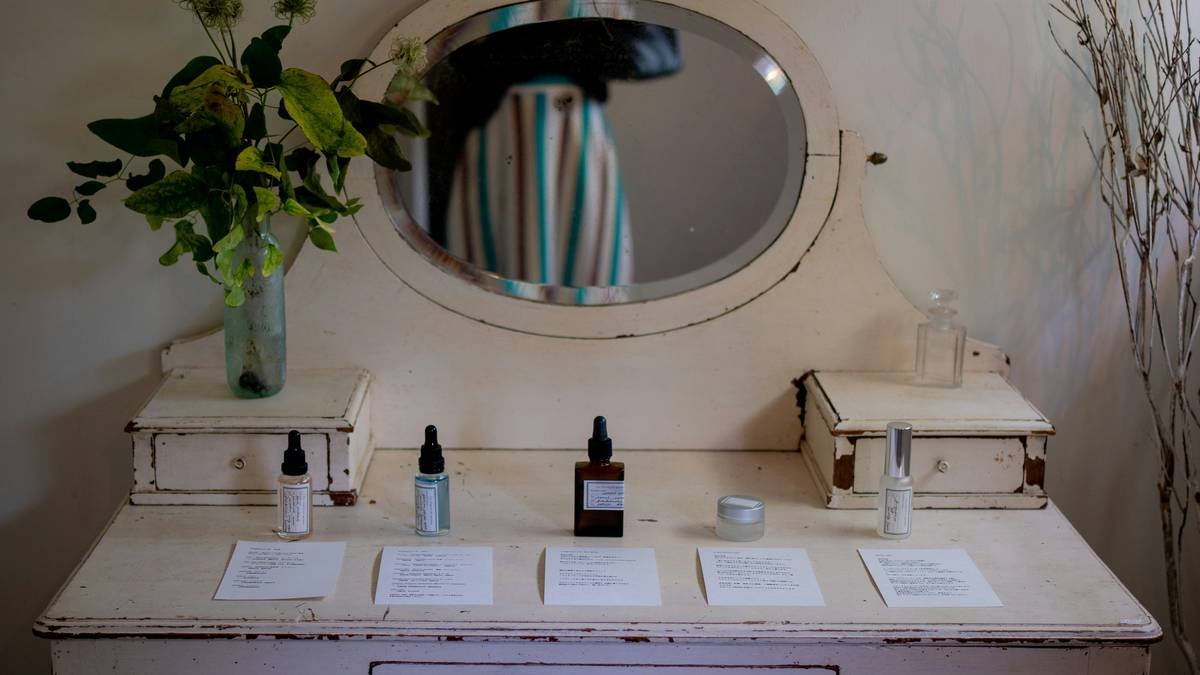
| Routine Element | Toxic Trap to Avoid | Clean Swap | Cost Range (USD) |
|---|---|---|---|
| Cleanser | Sodium lauryl sulfate (SLS) | Amino acid-based cleanser (e.g., Cocamidopropyl Betaine + Sodium Cocoyl Glutamate) | $18–$32 |
| Toner | Witch hazel (high tannin = barrier damage) | Alcohol-free floral hydrosol (rose, chamomile) + niacinamide | $15–$28 |
| Moisturizer | Petrolatum, dimethicone-heavy formulas | Ceramide + squalane blend in airless pump | $22–$45 |
| Sunscreen | Oxybenzone, octinoxate | Non-nano zinc oxide (≥18%) with red algae extract | $25–$40 |

The Industry Secret Nobody Talks About: Preservation Is the Real Battlefield
Here’s what brand founders whisper off-record: the biggest challenge in clean skincare isn’t sourcing organic aloe—it’s keeping water-based products from growing mold without toxic preservatives.
Many “clean” lines use radish root ferment (leuconostoc/radish root ferment filtrate) paired with gluconolactone. It works—but only in specific pH ranges and low-water formulas. If a $12 “clean” serum lasts 12 months unrefrigerated? Be skeptical. Real preservation often requires trade-offs: shorter shelf life, airless packaging, or slightly higher cost. Don’t chase cheap “clean”—chase *honest*.
And yes—some indie labs quietly blend natural boosts (like rosemary extract) with minimal, safe synthetics like potassium sorbate. That’s not cheating. It’s responsible formulation.
Frequently Asked Questions
Can I get clear skin without exfoliating daily?
Absolutely. Over-exfoliation damages your barrier, causing more breakouts. Limit physical scrubs to once weekly, and chemical exfoliants (like lactic acid) to 1–2 times per week max—only if your skin tolerates it.
Is “clean beauty” just marketing hype?
Partly. But brands committed to full ingredient transparency, third-party certifications (like COSMOS or MADE SAFE), and biodegradable packaging are moving the needle. Demand proof—not promises.
How long until I see results from a non-toxic routine?
Give it 6–8 weeks. Your skin cycle is ~28 days. True clarity emerges as your barrier heals—not when surface oil vanishes overnight.