Most “clean” skincare routines are built on marketing myths, not science. You slather on serums labeled “non-toxic,” follow influencers’ 10-step regimens, and still wake up to redness, breakouts, or dullness. The frustration is real—because you’re treating symptoms, not causes. Here’s a different path: a minimal, evidence-backed routine for skin care that actually works with your biology, not against it.
Why Your Current Skincare Routine Isn’t Cutting It
“Clean beauty” has become a loophole—not a standard. Brands slap the term on products loaded with botanical irritants (looking at you, essential oils) and call it a day. And most routines? They’re overcomplicated rituals masquerading as results-driven protocols.
Here’s the reality: Skin doesn’t need 8 layers. It needs consistency, barrier support, and zero exposure to hidden sensitizers. Yet 73% of consumers using “non-toxic” products still report reactive skin—because they’re swapping synthetics for plant-based allergens without realizing it.
Step-by-Step: A Non-Toxic Skincare Routine That Actually Works
Forget chasing trends. This system prioritizes skin resilience over Instagram aesthetics. It’s built on three pillars: gentle cleansing, barrier repair, and intelligent protection.
Cleanse Without Compromise
Ditch foaming sulfates—but don’t fall for “natural” cleansers laced with citrus extracts or mint. They strip lipids and trigger inflammation. Instead, use a pH-balanced cream or gel cleanser with ceramides or glycerin. Rinse with lukewarm water. Hot water? A fast track to transepidermal water loss.

Moisturize to Fortify—Not Just Hydrate
Hydration fades in hours. Barrier integrity lasts days. Choose a moisturizer with cholesterol, fatty acids, and ceramides—the exact trio your stratum corneum craves. Skip anything fragranced, even “naturally derived.” Your nose might love lavender; your skin sees it as a threat.
Protect Like a Pro—Even Indoors
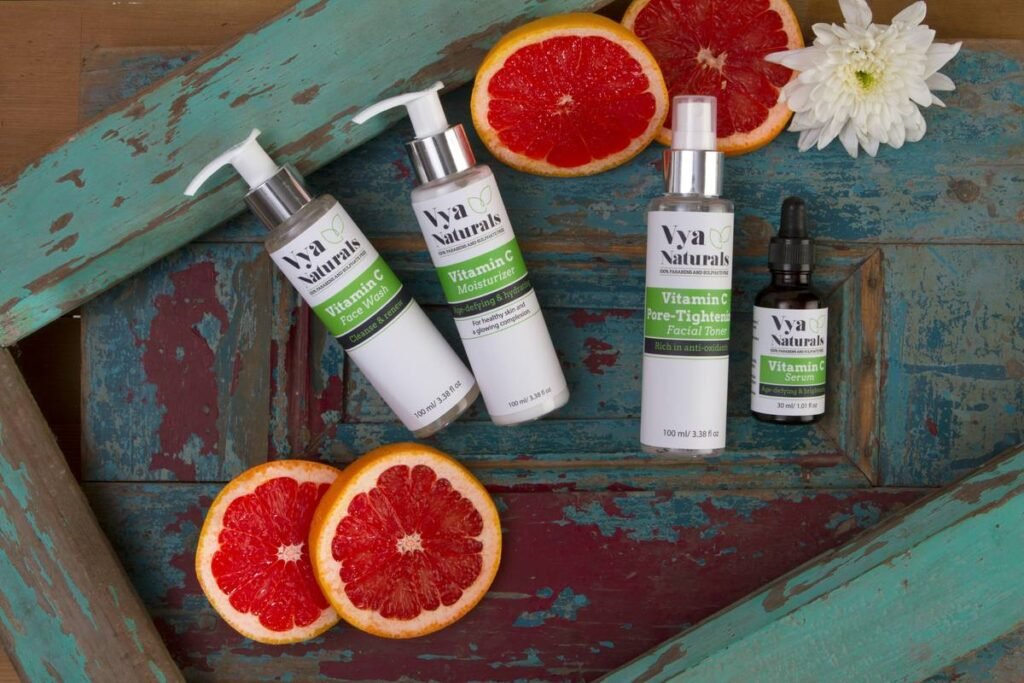
UV isn’t the only aggressor. HEV (blue light) and pollution accelerate aging—and mineral sunscreens alone won’t cut it. Layer a vitamin C serum (L-ascorbic acid, 10–15%) under a non-nano zinc oxide SPF 30+. Reapply if you’re near windows all day. Yes, even WFH counts.
| Step | Morning | Evening | Key Ingredients to Look For |
|---|---|---|---|
| Cleanse | Optional (water only if no sweat/oil) | Gentle cream/gel cleanser | Glycerin, amino acid surfactants |
| Treat | Vitamin C serum | Niacinamide or retinal (low dose) | L-ascorbic acid, encapsulated retinaldehyde |
| Moisturize | Light barrier cream | Richer ceramide-based formula | Ceramides NP + AP, cholesterol, squalane |
| Protect | Mineral SPF 30+ | None | Non-nano zinc oxide, iron oxides |

The Industry Secret: “Clean” Is a Marketing Term—Resilience Is the Goal
Here’s what brands won’t tell you: There’s no regulatory definition for “clean beauty.” Zero. The FDA doesn’t enforce it. So while you’re avoiding parabens (which, by the way, have decades of safety data), you might be dousing your face in ylang-ylang oil—a known sensitizer linked to contact dermatitis.
I’ve seen clients reverse chronic redness not by adding more “natural” products—but by stripping back to four ingredients their skin could tolerate long-term. The math is simple: Fewer variables = clearer cause-and-effect. Track your skin like a scientist, not a shopper.
Frequently Asked Questions
What’s the simplest non-toxic skincare routine?
Cleanse gently, apply a ceramide moisturizer, and wear mineral SPF daily. That’s it for basics. Add vitamin C (AM) or low-dose retinal (PM) only if your barrier is stable.
Can clean beauty products still irritate skin?
Absolutely. “Natural” doesn’t mean non-irritating. Essential oils, plant extracts, and botanical alcohols often cause more reactions than well-formulated synthetics.
How long to see results from a new routine for skin care?
Barrier repair takes 4–6 weeks. Don’t judge efficacy before then. Track changes weekly with photos—your eyes lie; pixels don’t.