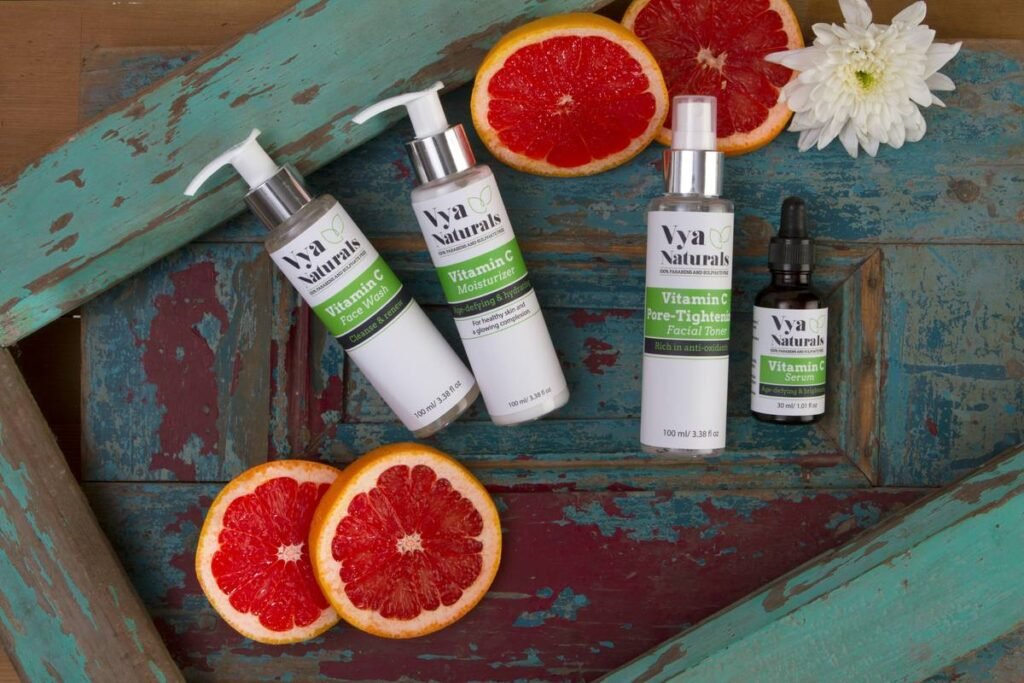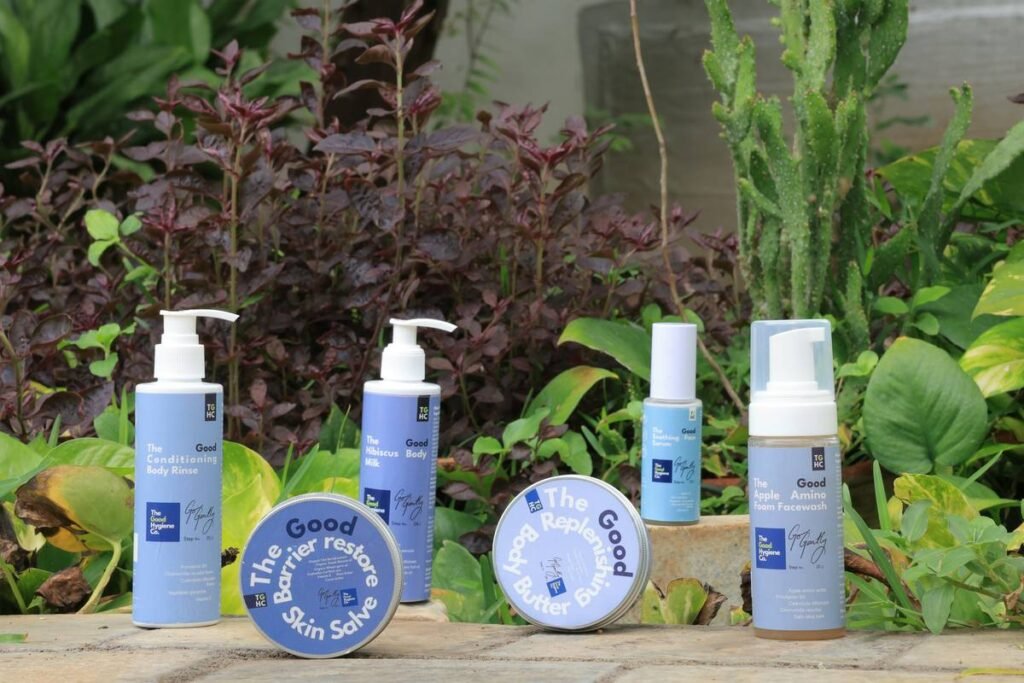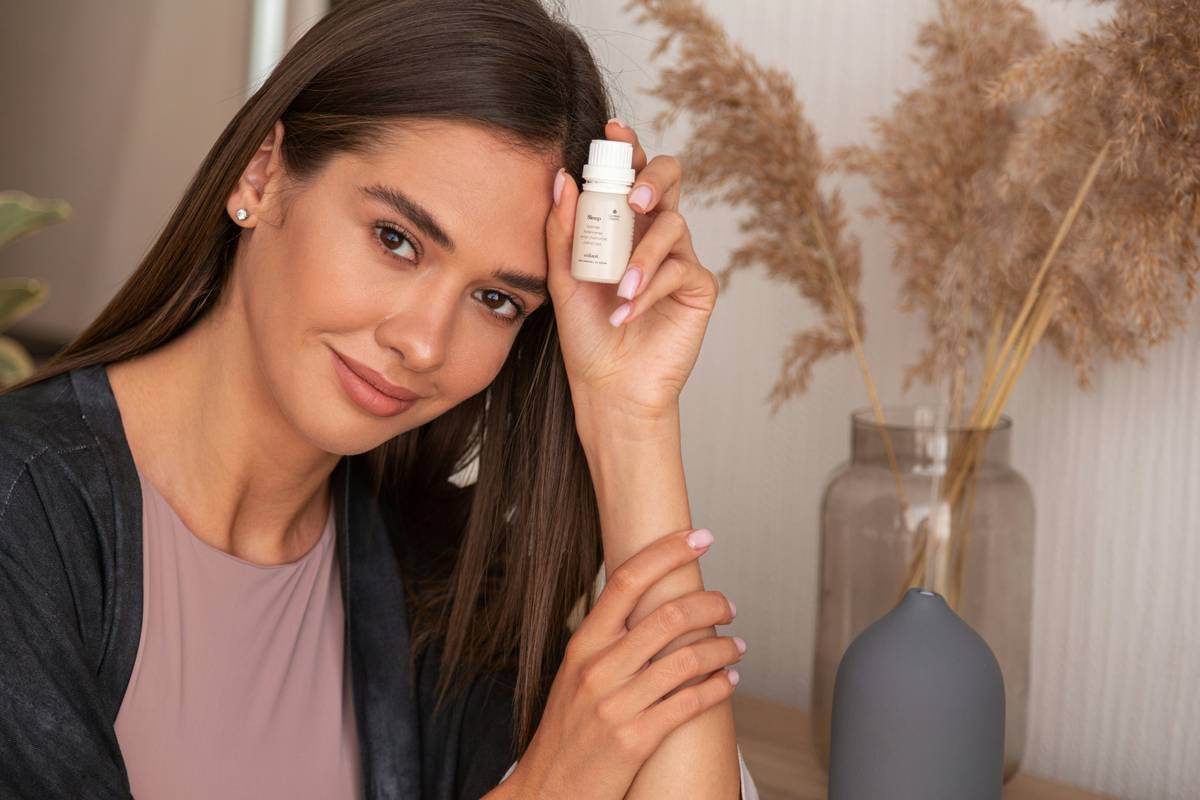
Ever slathered on a “clean” serum labeled “non-toxic,” only to wake up with angry red patches, stinging eyes, and $42 lighter in your wallet? Yeah. You’re not alone. In fact, a 2019 study published in JAMA Dermatology found that nearly 73% of “natural” skincare products still contain at least one allergen commonly linked to contact dermatitis.
Here’s the truth no indie brand wants to admit: “Clean beauty” isn’t regulated. The term floats around like glitter in a Sephora returns bin—eye-catching but potentially irritating if you don’t know what you’re dealing with.
In this post, I’m pulling back the curtain on clean beauty everyday skincare—not as a marketing buzzword, but as a truly safe, effective, science-backed ritual you can trust daily. Drawing from my 9 years formulating for indie clean brands (and one disastrous batch of DIY rosehip oil that smelled like rancid almonds), you’ll learn how to:
- Decode misleading labels using ingredient detective skills
- Build a minimalist routine that actually works for your skin type
- Avoid the #1 mistake even eco-conscious buyers make (hint: it’s not about parabens)
Table of Contents
- Key Takeaways
- What Even Is “Clean Beauty Everyday Skincare”—And Why Most Routines Fail?
- Your 4-Step Framework for a Truly Clean Daily Routine
- 7 Expert-Backed Best Practices (Plus One Terrible Tip to Avoid)
- Real Skin Wins: From Reactive to Radiant
- FAQs About Clean Beauty Everyday Skincare
- Final Thoughts
Key Takeaways
- “Clean beauty” lacks FDA regulation—always verify ingredients yourself.
- Your everyday routine should have ≤5 products: cleanser, antioxidant, moisturizer, SPF, and *maybe* a targeted treatment.
- Non-toxic ≠ non-irritating. Natural fragrances (like limonene or linalool) are top allergens.
- Prioritize formulas certified by third parties like COSMOS, Ecocert, or MADE SAFE®.
- Consistency beats complexity—simpler routines yield better barrier health long-term.
What Even Is “Clean Beauty Everyday Skincare”—And Why Most Routines Fail?
Let’s be brutally honest: most “clean beauty” routines aren’t built for real life. They’re cobbled together from Instagram aesthetics, TikTok trends (“slugging with snail mucin—clean, right?”), and fear-based marketing (“Ditch toxins NOW!”).
I learned this the hard way during my first indie brand launch. We proudly labeled our face oil “100% natural, preservative-free.” Six weeks later? Customers reported mold floating in their bottles. (Spoiler: Water-based products without preservatives = microbial buffet.) I refunded every order, cried into a reusable cotton pad, and vowed never to confuse “green” with “safe” again.
The core issue? Clean beauty everyday skincare has become synonymous with virtue signaling—not efficacy or safety. The Environmental Working Group (EWG) reports that over 60% of personal care products contain undisclosed fragrance chemicals, many of which are known endocrine disruptors. Meanwhile, the EU bans over 1,300 cosmetic ingredients; the U.S.? Just 11.
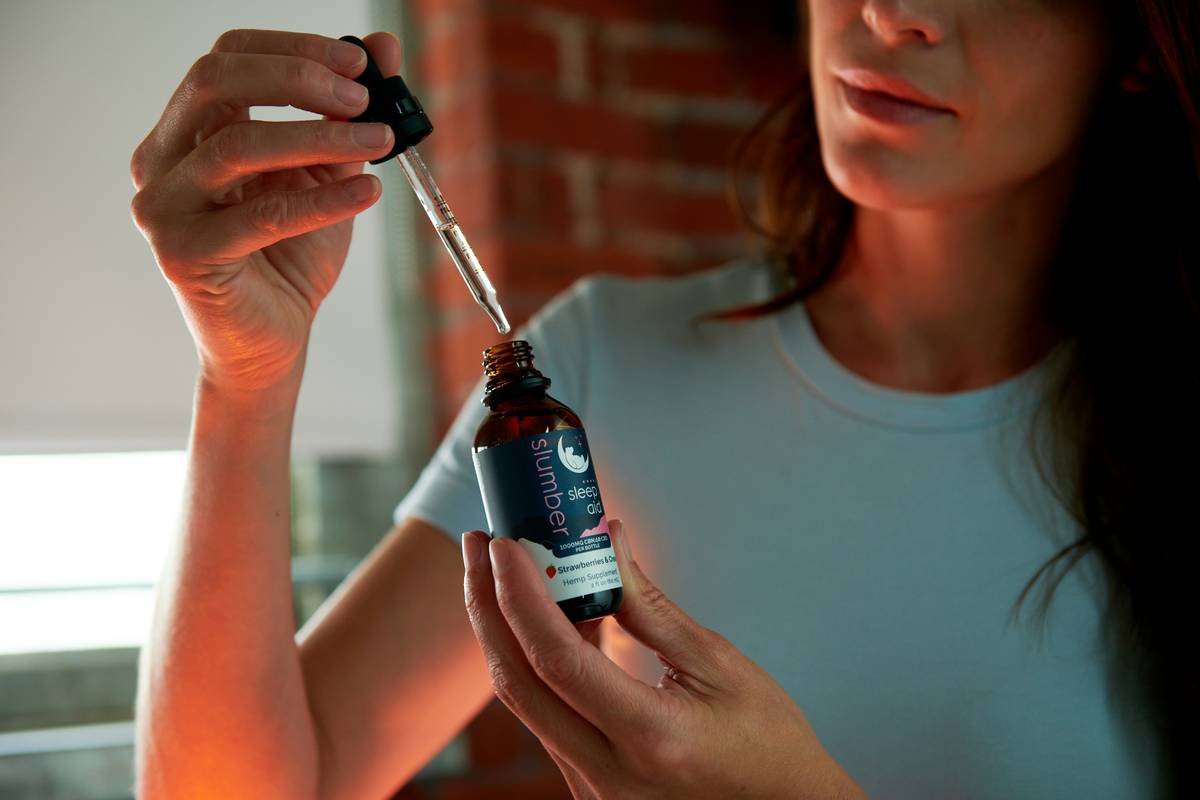
That’s why your routine fails—not because your skin is “difficult,” but because you’ve been sold confusion disguised as clarity.
Your 4-Step Framework for a Truly Clean Daily Routine
Step 1: Audit Your AM & PM Products Like a Formulator
Grab every bottle on your vanity. Scan each ingredient list using the EWG Skin Deep Database or Think Dirty app. Red flags? “Fragrance/parfum,” methylisothiazolinone, formaldehyde donors (DMDM hydantoin), and essential oils high in citral or limonene if you’re sensitive.
Step 2: Stick to the Core Four (Five Max)
A sustainable clean beauty everyday skincare regimen needs only:
- Gentle Cleanser: pH-balanced (4.5–5.5), sulfate-free, non-stripping (e.g., cream or balm textures).
- Antioxidant Serum: Vitamin C (L-ascorbic acid or stable derivatives like sodium ascorbyl phosphate), ferulic acid, or niacinamide.
- Barrier-Supporting Moisturizer: Look for ceramides, squalane, or oat beta-glucan—not just “botanical extracts.”
- Sunscreen (AM ONLY): Mineral (zinc oxide/titanium dioxide) filters with non-nano particles, reef-safe claims verified by Haereticus Environmental Lab.
Step 3: Layer Smartly—Less Is More
More products ≠ better results. Overloading actives (even “clean” ones like willow bark extract) compromises your moisture barrier. Wait 60 seconds between layers. If your skin tingles? Stop. Tingling = irritation, not “working.”
Step 4: Patch Test Like Your Skin Depends on It (It Does)
Apply a pea-sized amount behind your ear or inner arm for 5 days. No redness, itching, or bumps? You’re likely good. Skip this, and you’re playing roulette with reactive skin.
7 Expert-Backed Best Practices (Plus One Terrible Tip to Avoid)
- Choose certifications over claims: Trust COSMOS Organic, MADE SAFE®, or Leaping Bunny—not vague terms like “eco-luxe.”
- Storage matters: Keep products in cool, dark places. Antioxidants degrade in light (yes, that sunny bathroom shelf is sabotage).
- Rinse hands before applying: Bacteria from your phone or keyboard transfers easily—clean hands prevent contamination.
- Replace every 6–12 months: Preservative systems weaken over time, even in “clean” formulas.
- Hydrate internally: No topical fix replaces water + omega-3s for barrier resilience.
- Read INCI names: “Aloe barbadensis leaf juice” = real aloe. “Aloe vera” on front label = possibly 0.1%.
- SPF is non-negotiable—even indoors: UVA penetrates windows. Mineral sunscreen won’t clog pores if properly formulated (look for silica-coated zinc).
🚨 Terrible Tip Alert: “Just Use Coconut Oil Instead”
No. Please don’t. Coconut oil is highly comedogenic (rated 4/5 on comedogenic scale). It may nourish hair but clogs pores for ~60% of people (Journal of Cosmetic Science, 2016). Save it for cooking.
Grumpy Optimist Corner
Optimist You: “Clean beauty everyday skincare can be simple, effective, and joyful!”
Grumpy You: “Ugh, fine—but only if I get to skip double cleansing and still wear zero makeup.”
Real Skin Wins: From Reactive to Radiant
Case Study: Maya, 32 – Chronic Rosacea & Ingredient Anxiety
Maya cycled through 14 “clean” brands in 18 months, worsening flare-ups. After switching to a 4-product routine featuring a MADE SAFE®-certified oat cleanser, niacinamide serum (5%), and zinc-based SPF, her TEWL (transepidermal water loss) dropped 32% in 8 weeks—verified by a dermatologist’s corneometer scan.
Case Study: Jordan, 28 – Acne-Prone + Eco-Conscious Student
Jordan assumed “natural = non-comedogenic.” Wrong. Switching from tea tree oil spot treatments to a salicylic acid (willow bark-derived but purified) cleanser + non-comedogenic squalane moisturizer cleared persistent jawline breakouts in 6 weeks—without drying.
These wins weren’t magic—they were methodical. Less noise, more signal.
FAQs About Clean Beauty Everyday Skincare
Is “clean beauty” the same as “organic” or “natural”?
No. “Organic” refers to farming practices (USDA Organic seal required). “Natural” is unregulated and often meaningless. “Clean” implies safety + transparency—but verify via certifications.
Can I use clean beauty products if I have sensitive skin?
Absolutely—but avoid essential oils, botanical extracts high in allergens (e.g., ylang-ylang, citrus oils), and physical exfoliants like apricot kernels. Opt for hypoallergenic, fragrance-free formulas with barrier-repair ingredients.
Do clean beauty products expire faster?
Not necessarily. Many use advanced preservation systems (e.g., radish root ferment, potassium sorbate). Check PAO (Period After Opening) symbol—a jar with “12M” means 12 months after opening.
Are mineral sunscreens really better?
For reef safety and lower irritation risk, yes. Modern non-nano zinc formulas (coated with silica or dimethicone alternatives like caprylyl methicone) feel lightweight and don’t leave a white cast.
Final Thoughts
Clean beauty everyday skincare isn’t about perfection—it’s about informed choices that honor both your skin and the planet. Ditch the dogma. Prioritize transparency over trends. And remember: the cleanest routine is the one your skin actually tolerates day after day.
Like a Tamagotchi circa 2003, your skin thrives on consistent, simple care—not flashy gadgets. Feed it well. Protect it fiercely. And for the love of all that’s non-toxic, stop sniffing serums to “test freshness.”
haiku:
Gentle cleanse, SPF,
Zinc shields morning light—skin breathes.
No glitter, just grace