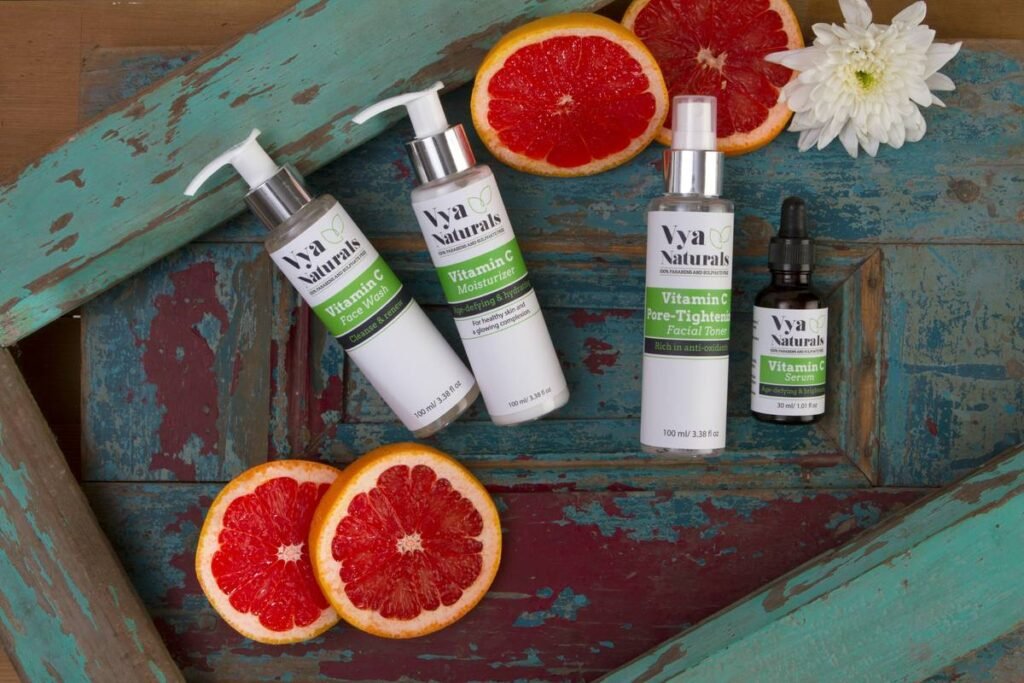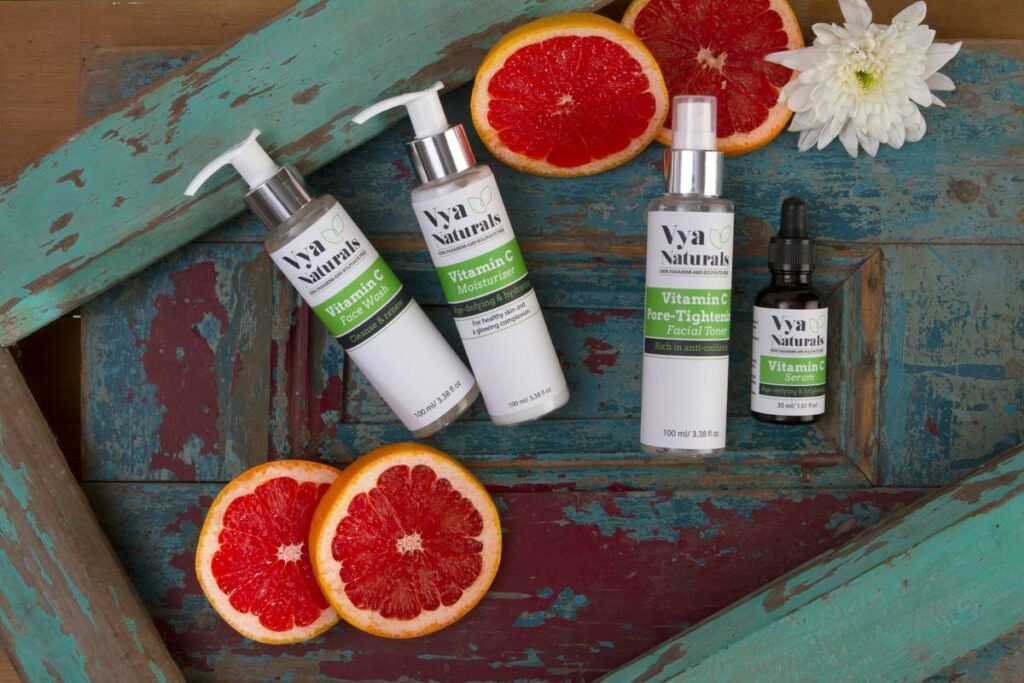
Most “clean” skincare costs a fortune—yet delivers little more than hype. You’re told to avoid parabens and sulfates, but then handed $68 serums with vague “botanical blends” and zero transparency. It’s exhausting. The good news? Truly affordable clean beauty skincare exists—if you know how to spot it.
Why Most “Clean” Skincare Isn’t Actually Clean (Or Worth the Price)
The term “clean” isn’t regulated. At all. A brand can slap it on a bottle filled with synthetic fragrances labeled “natural fragrance”—a loophole so wide, even formaldehyde-releasing preservatives sneak through. And don’t get me started on “greenwashing.” Some indie brands charge premium prices simply for minimalist packaging while using filler ingredients like denatured alcohol or PEGs that disrupt your skin barrier.
Here’s the reality: price ≠ purity. And marketing spend ≠ formulation integrity.
How to Build an affordable clean beauty skincare Routine That Works
Forget chasing viral TikTok products. Build a routine based on three pillars: ingredient transparency, formulation efficacy, and cost-per-wear. Below is my go-to framework for sourcing genuinely clean formulas under $25.
| Cleanser Type | Avoid These | Seek These | Avg. Price Range |
|---|---|---|---|
| Gel | Sodium lauryl sulfate, synthetic dyes | Decyl glucoside, aloe vera, panthenol | $8–$15 |
| Cream/Milk | PEG compounds, phenoxyethanol-heavy blends | Jojoba oil, oat kernel extract, glycerin | $10–$20 |
| Oil-Based | Mineral oil, “fragrance” | Sunflower seed oil, squalane (plant-derived), tocopherol | $12–$22 |
Start with Your Skin’s Actual Needs—Not Trends
Dry? You don’t need a vitamin C serum first—you need barrier support. Oily? Skip clay masks; focus on pH-balanced cleansers with niacinamide. Most consumers overcomplicate routines because they’re sold solutions to problems they don’t have.
Read Labels Like a Formulator
If water (aqua) is #1, fine—but if it’s followed by five unpronounceable solubilizers, walk away. Prioritize products where active ingredients appear in the top five. Also: “Fragrance-free” ≠ unscented. One means no added scent chemicals; the other might mask synthetics with essential oils—which can be just as irritating.
The Industry Secret No One Talks About
Many indie clean beauty brands source from the same contract manufacturers as luxury lines—but skip the celebrity endorsements and Instagram ad budgets. That $78 moisturizer? Often identical in base formula to a $16 drugstore version you’ve never heard of. The markup goes to perception, not performance.
And here’s a kicker: some “exclusive” plant extracts are diluted to 0.5%—clinically irrelevant—yet marketed as hero actives. Always check INCI order. If it’s near the end, it’s flavoring, not function.
Frequently Asked Questions
Is affordable clean beauty skincare as effective as high-end?
Yes—if it contains proven actives at functional concentrations. Price doesn’t guarantee potency; formulation does.
What ingredients should I avoid in clean skincare?
Steer clear of undisclosed “fragrance,” parfum, PEGs, formaldehyde donors (like DMDM hydantoin), and ethanol denat. as a primary solvent.
Can I trust “natural” claims on budget brands?
Not always. “Natural” isn’t regulated. Focus on full-disclosure brands that list every ingredient—not marketing fluff.
Clean shouldn’t cost a month’s rent. Cut through the noise, demand transparency, and invest in formulas—not facades. Ready to build your no-BS routine? Start with one product from the table above—and track how your skin responds over 28 days. Real results speak louder than influencer testimonials.