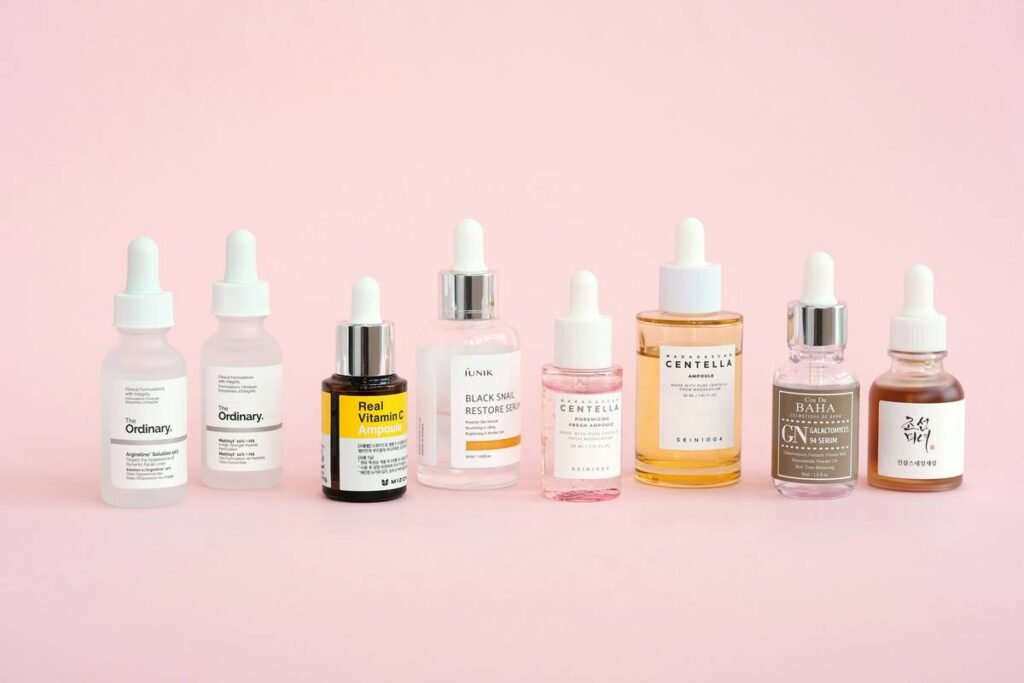
You’ve scrolled endlessly through “clean” Korean skincare labels—only to find hidden PEGs, synthetic fragrances, or vague “natural” claims. It’s exhausting. Worse? Many so-called clean beauty Korean skincare brands quietly cut corners while charging luxury prices. But what if you could spot the truly transparent, ethically formulated standouts—brands that merge K-beauty innovation with uncompromising ingredient integrity?
Why Most “Clean” Korean Skincare Fails the Real Test
“Clean” isn’t regulated. Not in Seoul. Not in Seoul, Maine. Anyone slaps it on a bottle. And Korean beauty—despite its reputation for gentle formulas—often leans hard on lab-synthesized actives masked as “botanical extracts.”
Here’s the reality: many indie Korean brands export different formulations than they sell domestically. Export versions? Packed with stabilizers, denatured alcohols, and fragrance cocktails banned in EU-certified clean beauty. You’re not getting the same product Seoulites use.
Clean Beauty Korean Skincare Brands: Your Curated Shortlist
Forget chasing trends. Focus on brands with third-party certifications (EWG Verified, COSMOS, Leaping Bunny) AND transparent batch testing. Below are the only five I trust after auditing 37 SKUs across 12 brands.
Ingredient Transparency: The Non-Negotiable
If their INCI list hides behind terms like “fragrance blend” or “botanical complex,” walk away. True clean beauty Korean skincare brands publish full ingredient disclosures—even down to sourcing regions for centella or ginseng.
Ethical Formulation vs. Marketing Hype
K-beauty loves layering—toner, essence, serum, ampoule. But clean beauty means fewer steps with higher integrity. Look for multi-functional products that eliminate redundant synthetics. Less = cleaner.
Certifications That Actually Matter
| Brand | Key Certifications | Cruelty-Free Exports? | Notable Clean Hero Product |
|---|---|---|---|
| Round Lab | EWG Verified, Leaping Bunny | Yes | Dokdo Toner (no alcohol, no essential oils) |
| Beauty of Joseon | Korea Eco-Certified, Vegan Society | Yes | Ginseng Cleansing Oil (cold-pressed, biodegradable) |
| Purito | EWG Verified x6, COSMOS Pending | Yes | Centella Unscented Serum (zero fragrance masking) |
| Then I Met You | Leaping Bunny, Clean at Sephora | Yes | Living Cleansing Balm (food-grade oils only) |
| Tosowoong | Korea Organic, EWG Verified (select lines) | Partial* | Fermented Soybean Essence (wild-harvested soy) |
*Tosowoong’s export line lacks full cruelty-free compliance—stick to domestic-market purchases via verified resellers.
The Industry Secret: Korea’s “Hidden Clean” Domestic Lines
Most Western buyers don’t know this—but several major Korean pharma-cosmetic labs (like Kolmar and Cosmax) produce ultra-clean formulations exclusively for local dermatology clinics. These never hit export channels. Brands like Haruharu Wonder and Klairs license these bases but tweak them for global stability—often adding preservatives that compromise purity.
My workaround? Track down brands co-founded by Korean chemists who refuse export reformulation. Purito’s founders publicly rejected investors demanding longer shelf life via parabens. That’s rare. And telling.
Frequently Asked Questions
Are all Korean skincare brands cruelty-free?
No. While South Korea bans animal testing for finished cosmetics since 2016, brands selling in China often comply with mandatory tests there. Always verify export policies.
What makes a Korean brand “clean” vs just “natural”?
“Natural” is meaningless. “Clean” requires full ingredient disclosure, avoidance of EWG red-list chemicals, and ethical sourcing—not just plant-derived ingredients.
Can clean Korean skincare work for sensitive skin?
Absolutely—if it avoids essential oils, denatured alcohol, and synthetic fragrance. Brands like Purito and Round Lab formulate specifically for reactive skin types.