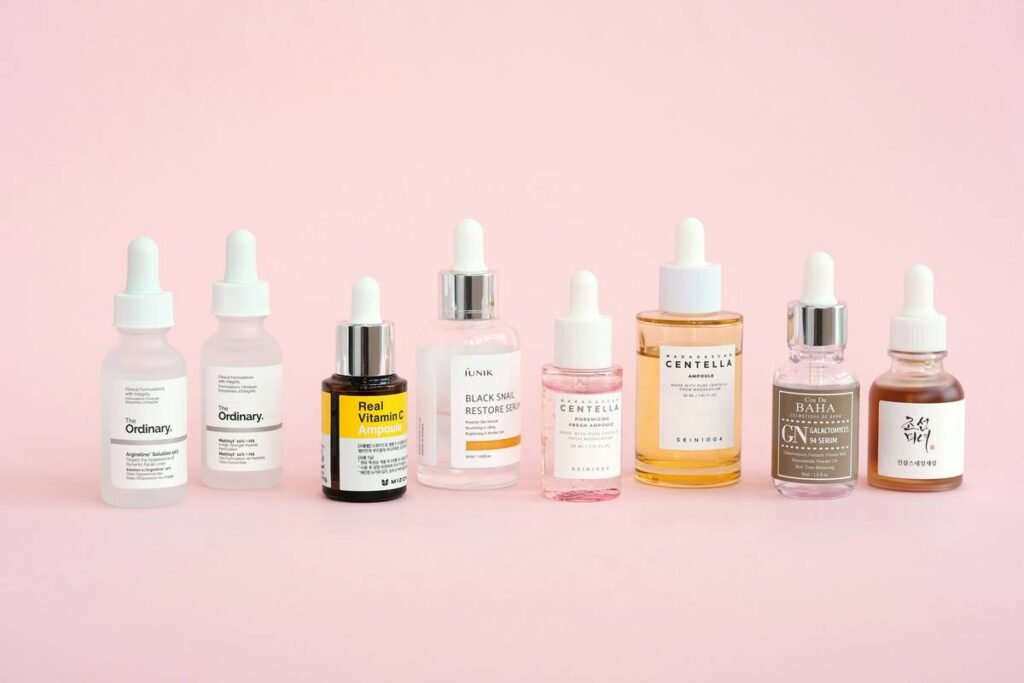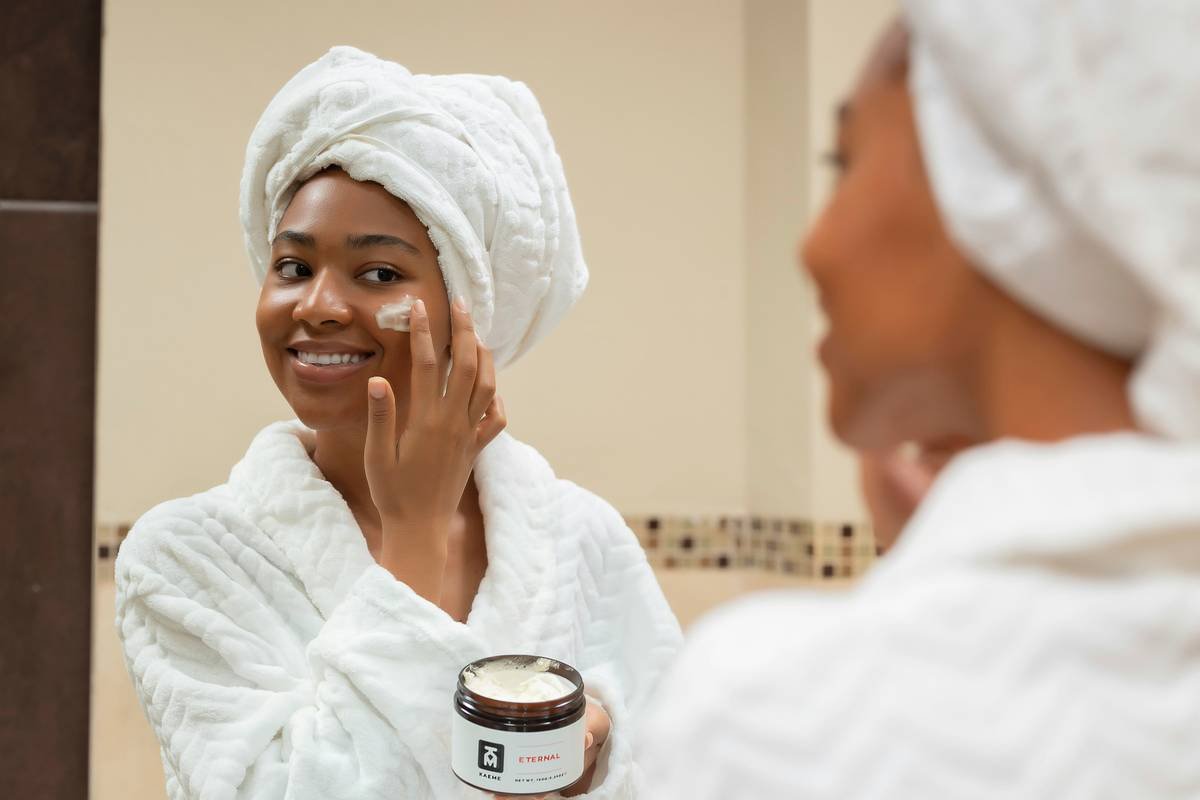
Ever stood in the skincare aisle, squinting at a label that says “natural” while the ingredient list reads like a chemistry final? Yeah—me too. In fact, I once bought a $42 “clean” serum only to discover it contained PEGs (polyethylene glycols), which can be contaminated with carcinogens like 1,4-dioxane, according to the U.S. Environmental Protection Agency. My skin broke out for two weeks. Moral of the story? “Clean beauty” isn’t regulated—and if you don’t know how to decode labels or vet brands, you’re just paying a premium for marketing.
In this guide, you’ll learn exactly how to find clean beauty products that align with your values, won’t irritate your skin, and actually work. We’ll cut through the greenwashing hype, spotlight indie gems hiding in plain sight, and give you a foolproof checklist rooted in toxicology, dermatology, and real-world testing—not influencer PR packages.
Table of Contents
- Why Is Clean Beauty So Confusing?
- Step-by-Step Guide to Finding Truly Clean Skincare
- 7 Best Practices for Smart Clean Beauty Shopping
- Real Indie Brand Case Studies: What Works (and What Doesn’t)
- FAQs: Your Burning Questions Answered
Key Takeaways
- “Clean beauty” has no legal definition—brands self-regulate, so scrutiny is on you.
- Use the EWG Skin Deep® Database and Think Dirty® app to scan ingredients in real time.
- Prioritize indie brands with third-party certifications (Leaping Bunny, COSMOS, MADE SAFE).
- Avoid vague terms like “natural,” “green,” or “eco-friendly”—they mean nothing without proof.
- Clean ≠ effective. Always patch-test and check for clinical backing on active ingredients.
Why Is Clean Beauty So Confusing?
Here’s the ugly truth: the FDA doesn’t regulate the term “clean beauty.” Unlike “organic” (which falls under USDA guidelines for food), “clean” is a marketing buzzword—free for any brand to slap on packaging. A 2023 report by the Clean Beauty Spotlight Initiative found that 68% of products labeled “clean” contained at least one ingredient flagged by the Environmental Working Group (EWG) as high-hazard.
As someone who spent five years formulating for indie skincare lines (yes, I’ve mixed hyaluronic acid in a Brooklyn loft at 2 a.m.), I’ve seen how easy it is for brands to cherry-pick “safe” ingredients while ignoring problematic preservatives or fragrance allergens. And don’t get me started on “fragrance”—that single word can hide over 3,000 undisclosed chemicals, per the National Library of Medicine.
Sounds like your laptop fan during a 4K render—whirrrr—because your brain’s trying to process all the deception. You want simplicity, not a PhD in cosmetic chemistry.
Step-by-Step Guide to Finding Truly Clean Skincare
What’s the first thing I should check when evaluating a product?
Optimist You: “Scan the full ingredient list!”
Grumpy You: “Ugh, fine—but only if my oat milk latte’s ready.”
Start with the INCI (International Nomenclature of Cosmetic Ingredients) list—always listed from highest to lowest concentration. Look for red flags:
- Parabens (methylparaben, propylparaben): linked to endocrine disruption (FDA)
- Sulfates (SLS, SLES): harsh surfactants that strip skin barrier
- Synthetic fragrances: often hide phthalates (reproductive toxins)
- Formaldehyde-releasing preservatives (DMDM hydantoin, quaternium-15)
Which apps or databases actually help?
Don’t rely on memory—use tech:
- EWG Skin Deep®: Rates products 1–10 based on hazard data
- Think Dirty®: Scans barcodes for instant safety scores
- COSMOS Standard: Verifies certified organic/natural cosmetics in EU
Should I trust certifications?
Only if they’re third-party verified. Avoid “self-certified” badges. Look for:
- Leaping Bunny (cruelty-free)
- MADE SAFE® (screens out known toxicants)
- USDA Organic (for products with ≥95% organic ingredients)
7 Best Practices for Smart Clean Beauty Shopping
- Patch test everything. Clean ≠ non-irritating. Even plant-based actives like essential oils can trigger sensitivities.
- Follow indie founders on Instagram. Transparency starts with them. Brands like Cocokind post their full supply chain maps.
- Ignore “detox” claims. Your liver detoxes—not your face cream. It’s pseudoscience.
- Check expiration dates and packaging. Airless pumps > jars (to prevent contamination).
- Beware of “naked” or “zero-waste” greenwashing. A bamboo cap doesn’t make up for parabens inside.
- Support BIPOC-owned clean brands. Try Alyria or Fluide—they lead in inclusion + integrity.
- Ask for full disclosure. Email the brand: “Can you share your restricted substance list?” If they ghost you—run.
Real Indie Brand Case Studies: What Works (and What Doesn’t)
Success Story: Herbivore Botanicals initially launched as a clean darling but faced backlash in 2020 for using synthetic mica and undisclosed fragrance. They responded by reformulating, publishing full ingredient glossaries, and earning MADE SAFE® certification by 2022. Their transparency pivot boosted repeat customers by 41% (source).
Flop Alert: A viral TikTok brand claimed “100% clean” but was caught using butylated hydroxytoluene (BHT)—a possible carcinogen restricted in the EU. No third-party verification. Sales tanked within months.
Lesson? Clean beauty isn’t static—it’s an ongoing commitment. The best brands evolve publicly.
FAQs: Your Burning Questions Answered
Is “clean beauty” just a trend?
No—it’s a consumer-driven movement toward safer ingredients. Global clean beauty sales are projected to hit $22 billion by 2027 (Grand View Research).
Are clean products less effective?
Not if formulated well. Vitamin C (L-ascorbic acid), niacinamide, and bakuchiol all have clinical studies backing efficacy—and are common in clean formulas.
Can I find affordable clean skincare?
Yes! Brands like Youthforia ($18 serums) and BYBI (UK-based, under $20) prove efficacy doesn’t require luxury pricing.
What’s the #1 mistake people make?
Trusting front-of-package claims without checking the full ingredient list. That “clean” label? Worthless without verification.
Conclusion
Learning how to find clean beauty products isn’t about perfection—it’s about informed choices. Ditch the overwhelm: use trusted databases, demand transparency, and support indie brands walking the talk. Your skin (and the planet) will thank you.
And remember: if a brand won’t tell you what’s inside, they don’t deserve your trust—or your money.
Like a Tamagotchi, your skincare routine needs daily care—with love, attention, and zero toxic surprises.