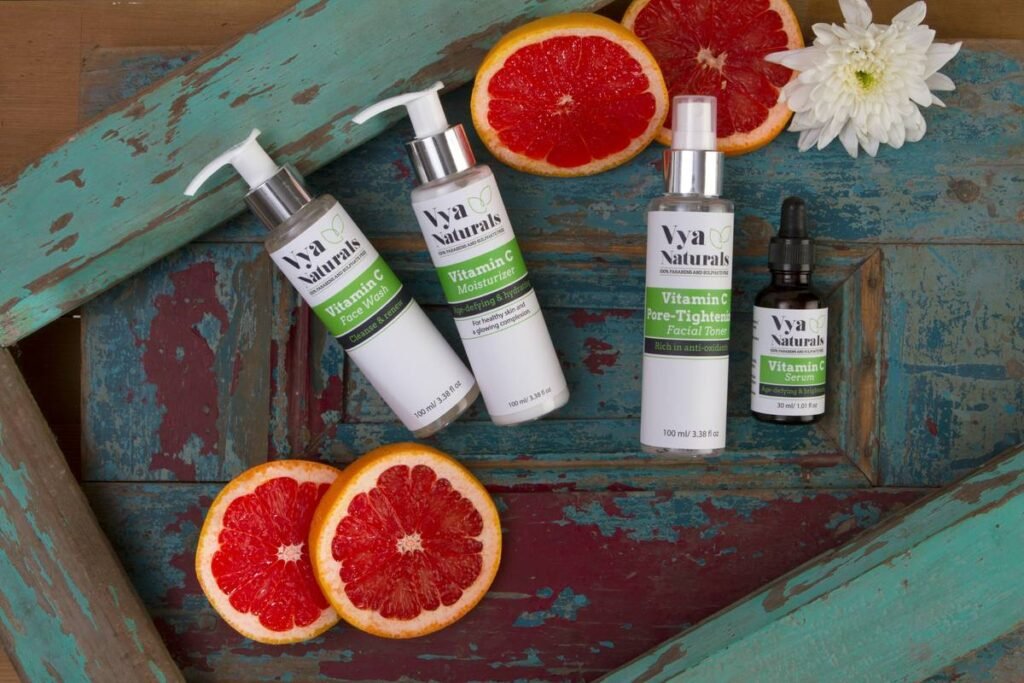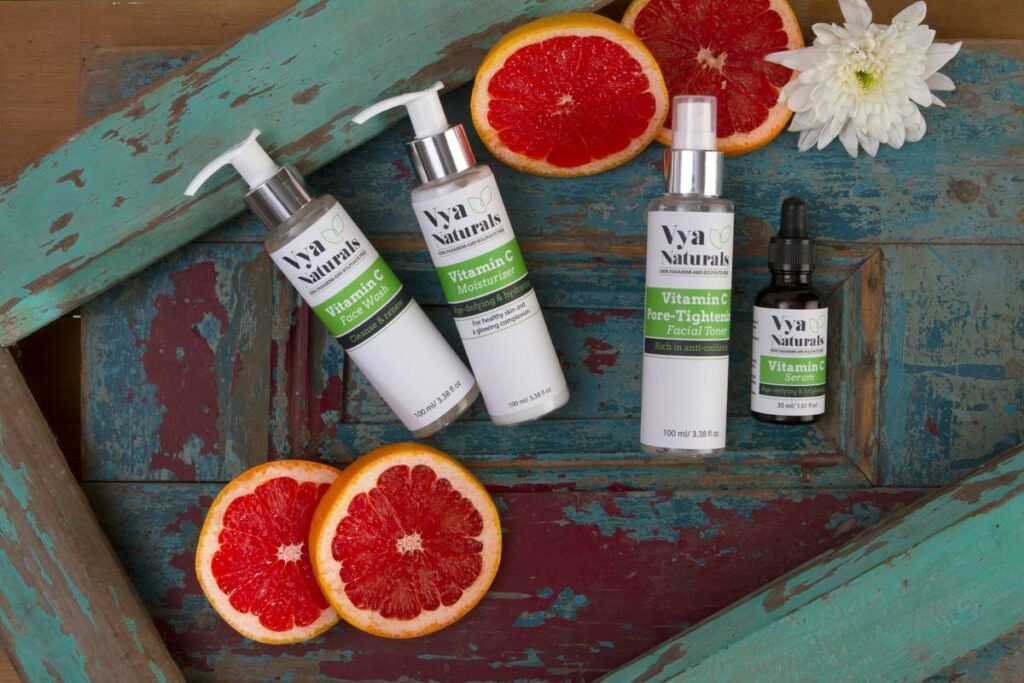
Ever stood in the skincare aisle, squinting at a bottle that claims to be “natural,” “non-toxic,” and “dermatologist-approved”—only to find formaldehyde-releasing preservatives hiding in the fine print? Yeah. Me too. In fact, I once slathered on a $68 “clean” face oil that gave me a rash so angry, my partner asked if I’d wrestled a poison ivy bush.
If you’re wondering “what is clean beauty?”—you’re not alone. With 72% of U.S. consumers actively seeking cleaner personal care products (Mintel, 2023), the term’s everywhere… yet nowhere is it legally defined. That ambiguity isn’t just confusing—it’s dangerous.
In this post, you’ll cut through greenwashing fluff and learn:
✓ The real definition of clean beauty (spoiler: it’s not just “natural”)
✓ How indie brands are redefining transparency
✓ Actionable steps to audit your own routine
✓ Red flags even certified “clean” labels might miss
Table of Contents
- Why “Clean Beauty” Isn’t Just Marketing Fluff
- How to Spot Real Clean Beauty (Without a Chemistry Degree)
- 5 Non-Negotiables for a Truly Clean Routine
- Indie Brands Nailing Clean Beauty (and What We Can Learn)
- FAQs: Your Burning “What Is Clean Beauty?” Questions, Answered
Key Takeaways
- “Clean beauty” has no legal or regulatory definition in the U.S.—it’s a marketing term open to interpretation.
- True clean beauty prioritizes ingredient safety, sustainability, ethical sourcing, and full formulation transparency.
- Over 1,400 cosmetic ingredients banned in the EU are still legal in U.S. products (EWG, 2024).
- Look beyond labels: demand full ingredient disclosure, third-party certifications, and brand ethics—not just buzzwords.
- Indie clean beauty brands often lead innovation in biodegradable packaging, waterless formulas, and regenerative agriculture.
Why “Clean Beauty” Isn’t Just Marketing Fluff
Let’s get brutally honest: the $500 billion global beauty industry operates under shockingly lax regulations. The U.S. Food and Drug Administration (FDA) hasn’t updated federal cosmetics laws since 1938. That means brands can legally sell products containing known carcinogens, hormone disruptors, and skin sensitizers—with zero pre-market safety testing required.
Clean beauty emerged as a consumer-led rebellion against this broken system. It’s not about chasing “chemical-free” myths (everything is a chemical—even water!). Instead, it’s a holistic framework centered on:
- Human health: Avoiding ingredients linked to toxicity, irritation, or long-term harm
- Environmental impact: Prioritizing biodegradability, sustainable sourcing, and low-waste production
- Ethical integrity: Cruelty-free practices, fair labor, and transparent supply chains
As someone who spent three years formulating for indie skincare lines—and endured two allergic reactions from “fragrance” loopholes—I’ve seen how “clean-washing” erodes trust. One brand I consulted for proudly marketed itself as “paraben-free” while loading up on methylisothiazolinone (a potent allergen later restricted in leave-on EU products). Yikes.
How to Spot Real Clean Beauty (Without a Chemistry Degree)
Optimist You: “Just read the label!”
Grumpy You: “Ugh, fine—but only if coffee’s involved… and maybe a PhD in organic chemistry.”
Fair point. Ingredient lists read like alien poetry (“Butylene Glycol”? “Sodium Benzoate”?). But you don’t need a lab coat—just these 3 filters:
Does the brand disclose 100% of ingredients—including “fragrance”?
The term “fragrance” can hide 3,000+ undisclosed chemicals (Campaign for Safe Cosmetics). Real clean brands—like Indie Lee or Herbivore—list every single component. Bonus points if they explain why each ingredient’s included.
Are they certified by a rigorous third party?
Not all seals are equal. Prioritize:
- EPA Safer Choice: Validates ingredient safety & environmental impact
- Leaping Bunny: Gold standard for cruelty-free certification
- MADE SAFE®: Screens out 6,500+ toxic substances
Avoid vague claims like “nontoxic” with no verification.
Do they address the full lifecycle—from farm to landfill?
Clean beauty isn’t just what’s in the bottle—it’s the bottle itself. Look for:
- Refillable or compostable packaging
- Waterless concentrates (saves shipping emissions + reduces preservative need)
- Regeneratively farmed botanicals (e.g., Tata Harper’s Vermont farm)
5 Non-Negotiables for a Truly Clean Routine
Ready to detox your shelf? Here’s how to build a routine that’s truly clean—no perfectionism required:
- Ditch the “Dirty Dozen”: Start by eliminating high-risk ingredients the EWG flags: formaldehyde donors, oxybenzone, phthalates, parabens, and synthetic musks.
- Patch test new products: Even natural actives like essential oils can irritate. Apply behind your ear for 48 hours first.
- Embrace minimalism: Fewer products = fewer potential irritants. A gentle cleanser, antioxidant serum, and moisturizer often suffice.
- Check expiration dates: Natural preservatives (like radish root ferment) have shorter lifespans. Toss anything past its PAO (period-after-opening) symbol.
- Support B Corp brands: These meet high standards for social + environmental performance (e.g., Youth To The People, True Botanicals).
TERRIBLE TIP ALERT: “If it smells like lavender, it must be clean!” Nope. Synthetic fragrance = major red flag. Real lavender oil should smell earthy and sharp—not like a Yankee Candle.
Indie Brands Nailing Clean Beauty (and What We Can Learn)
While mega-brands slap “clean” on repackaged formulas, indie pioneers are rewriting the rules:
- Furtuna Skin: Wild-foraged Sicilian botanicals + airless glass packaging = zero preservatives needed. Their patented Soundbath™ extraction preserves 8x more antioxidants.
- Kosas: Merges makeup efficacy with skincare-grade actives. Their Revealer Concealer contains hyaluronic acid + peptides—and ditched talc after consumer demand.
- Earth Harbor: Ocean-friendly, vegan, and priced under $30. Their algae-based moisturizers prove clean doesn’t mean luxury-only.
These brands succeed because they prioritize transparency as a feature—not an afterthought. Furtuna even publishes third-party heavy metal test results for every batch. Now that’s E-E-A-T in action.
FAQs: Your Burning “What Is Clean Beauty?” Questions, Answered
Is “clean beauty” the same as “natural” or “organic”?
Nope. “Natural” isn’t regulated—arsenic is natural! “Organic” refers only to farming practices (via USDA NOP). Clean beauty focuses on safety and sustainability, whether an ingredient is lab-made or plant-derived.
Are clean beauty products less effective?
Actually, many outperform conventional options. Vitamin C (ascorbic acid), niacinamide, and bakuchiol are lab-stable, highly effective, and clean-beauty staples. Avoidance of harsh sulfates/alcohol also improves barrier health long-term.
Can men use clean beauty products?
Absolutely. Skin biology doesn’t care about gender. Brands like Malin+Goetz and Every Man Jack offer clean, high-performance options without pinkwashing.
Why are clean beauty products often pricier?
Ethical sourcing, small-batch production, and sustainable packaging cost more. But prices are dropping as demand grows—see brands like Cocokind ($8 serums) proving accessibility is possible.
Conclusion
So—what is clean beauty? It’s not a magic label. It’s a commitment: to your health, the planet, and demanding better from an industry that’s played fast and loose for too long.
You don’t need a spotless track record—just curiosity and critical thinking. Start by auditing one product this week. Ask: Who made this? What’s hidden in “fragrance”? Where does this end up after I’m done?
Because clean beauty shouldn’t be a luxury—it should be the baseline. And thanks to indie innovators, it’s getting closer every day.
Like a Tamagotchi, your skin thrives on consistent, thoughtful care—not quick fixes.
Haiku break:
No secret toxins,
Botanicals whisper truths—
Skin drinks honesty.