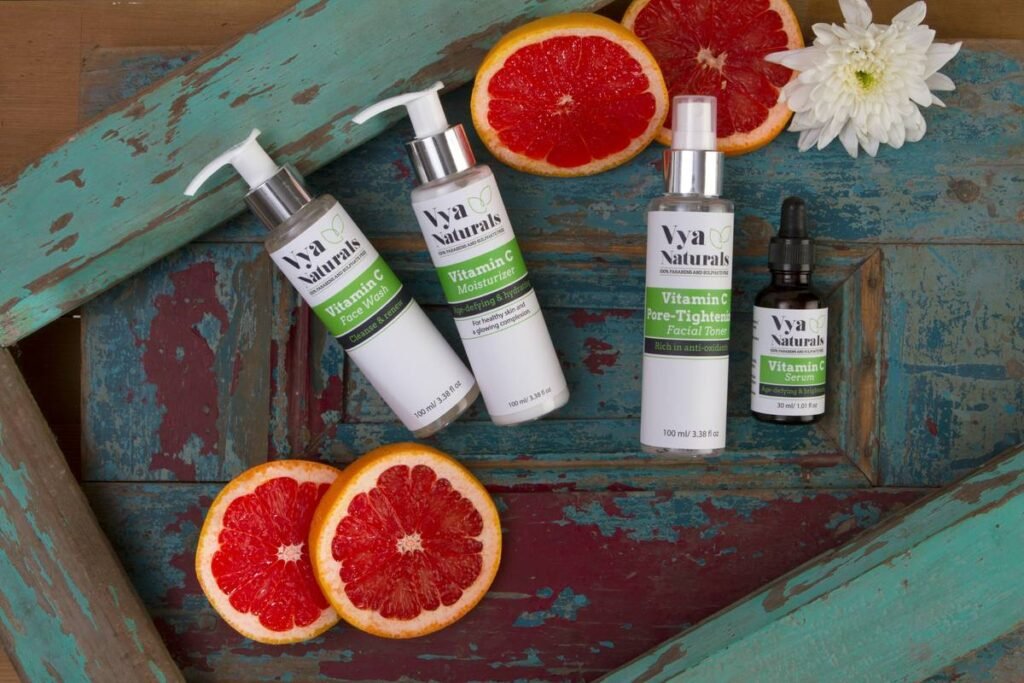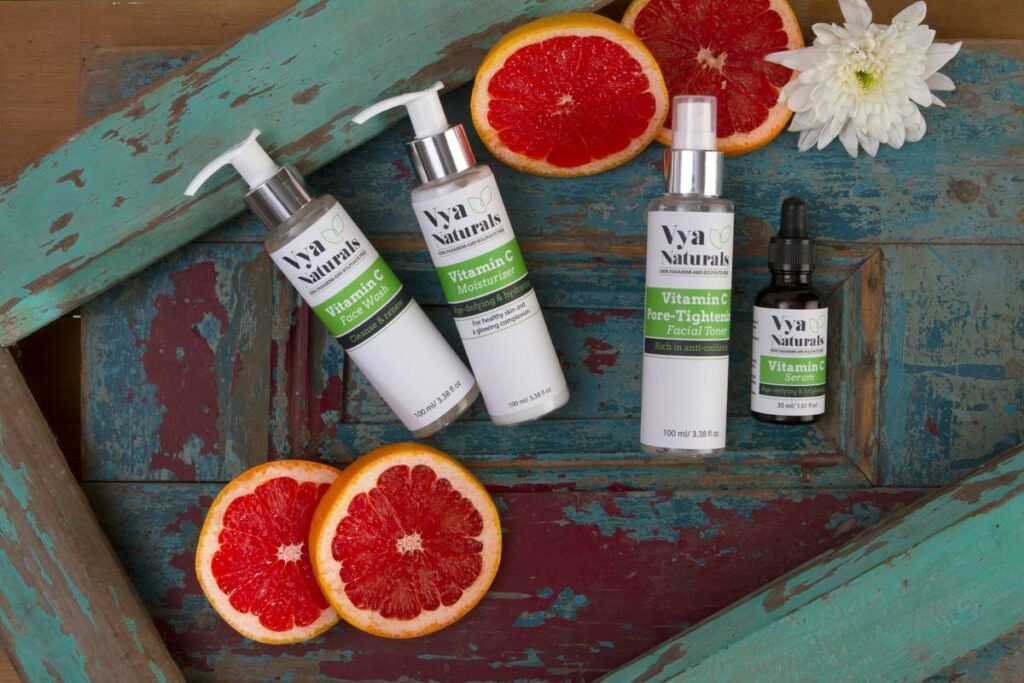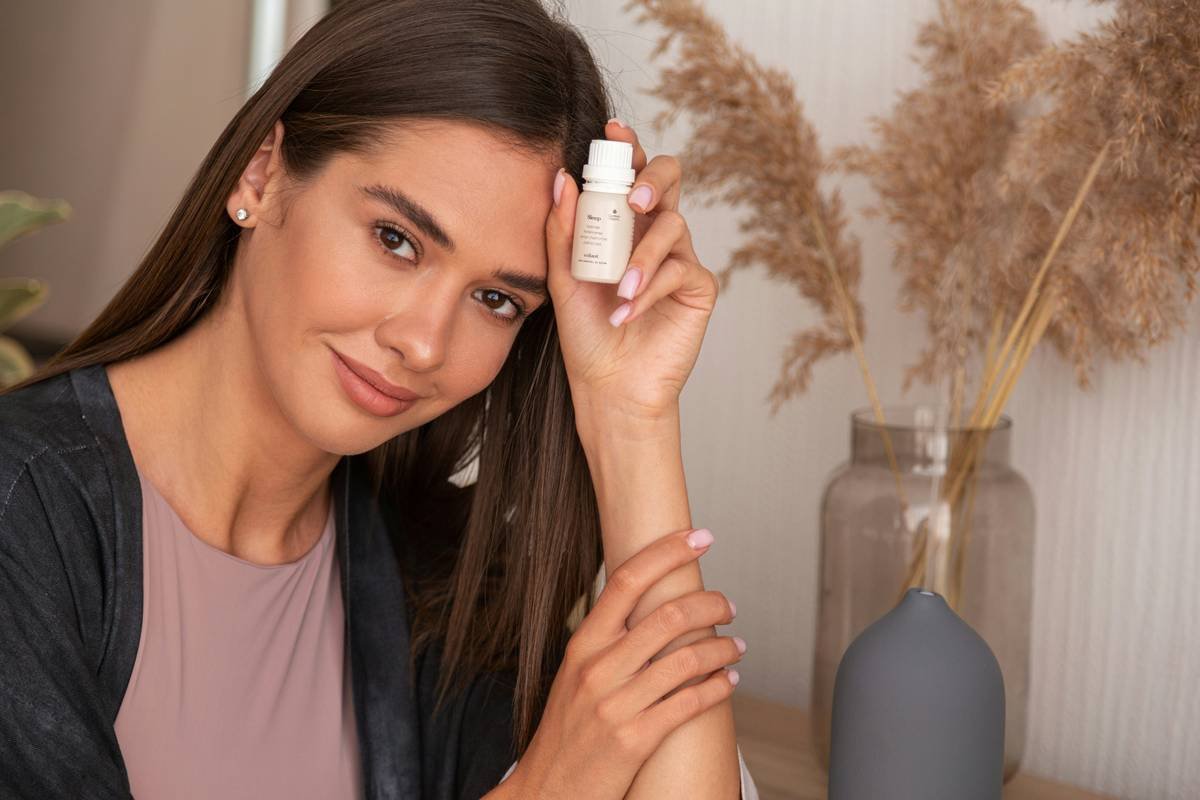
Ever slathered on a “luxury” moisturizer only to break out like you’re back in high school? Or worse—checked the ingredient list and saw words you couldn’t pronounce or Google without sounding like a chemistry professor? You’re not alone. A 2023 study by the Environmental Working Group (EWG) found that nearly 70% of U.S. skincare products contain ingredients linked to hormone disruption, skin irritation, or long-term health risks—many of which aren’t even required to be listed clearly.
In this post, we’re diving deep into why clean beauty is important, not as a trendy buzzword but as a non-negotiable shift toward safer, more transparent skincare. You’ll learn:
- How hidden toxins in conventional products affect your skin and systemic health
- What “clean beauty” actually means (spoiler: it’s not just marketing fluff)
- Real-world examples of indie brands getting it right—and why they matter
- Actionable tips to audit your current routine without tossing your entire cabinet
Table of Contents
- The Hidden Cost of Conventional Skincare
- What “Clean Beauty” Really Means (No, It’s Not Just Hype)
- How to Transition to Clean Beauty Without Breaking the Bank
- Real Impact: Indie Brands Leading the Charge
- FAQ: Why Is Clean Beauty Important?
Key Takeaways
- Clean beauty prioritizes human and environmental health by avoiding known toxicants like parabens, phthalates, and formaldehyde-releasing preservatives.
- The FDA doesn’t require pre-market safety testing for cosmetics—meaning brands self-regulate. Transparency is everything.
- Indie clean beauty brands often lead innovation with biodegradable packaging, waterless formulas, and full ingredient traceability.
- Switching to clean skincare isn’t about perfection—it’s about progress. Start with high-exposure products like daily moisturizers and sunscreens.
The Hidden Cost of Conventional Skincare
Let’s get real: I once used a best-selling “anti-aging” serum for six months because the model on the jar looked effortlessly luminous. Meanwhile, my skin was red, flaky, and increasingly reactive. When I finally checked the label? It contained methylisothiazolinone—a preservative banned in leave-on products in the EU due to its high allergy potential (Source: NIH, 2017). My face wasn’t aging—it was staging a protest.
This isn’t an isolated case. Unlike food or pharmaceuticals, cosmetics in the U.S. are regulated under a 1938 law that hasn’t been substantially updated. The FDA can’t mandate recalls or require safety data before products hit shelves. Meanwhile, brands routinely use “fragrance” as a catch-all term hiding up to 3,000 undisclosed chemicals—some linked to endocrine disruption (EWG, 2022).
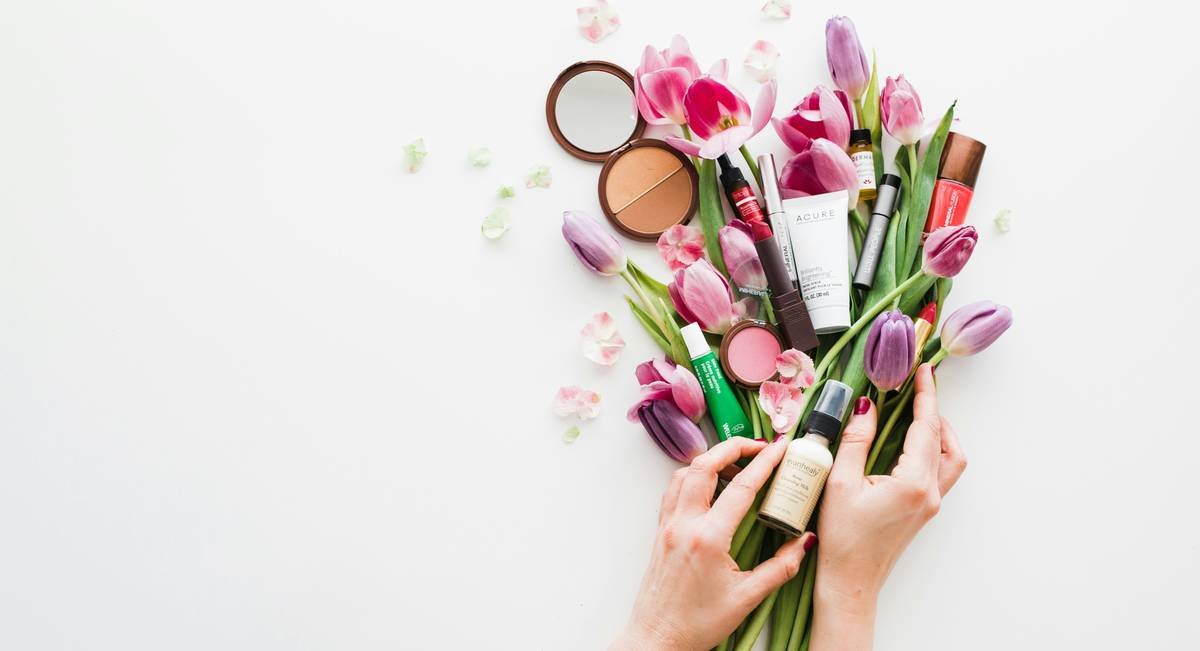
Your skin absorbs up to 60% of what you put on it (American Journal of Public Health), and daily exposure adds up—especially from leave-on products like moisturizers, serums, and sunscreens. When “beauty” comes at the cost of long-term health, it’s not beauty at all. It’s compromise.
What “Clean Beauty” Really Means (No, It’s Not Just Hype)
“Clean beauty” gets mocked as a millennial wellness fad—but in reality, it’s a return to basic responsibility. It means formulating without ingredients shown to harm human health or ecosystems, backed by current scientific consensus.
According to the Clean Beauty Coalition, true clean beauty adheres to these pillars:
- Safety-first formulation: Avoiding 1,400+ ingredients banned or restricted in the EU, Canada, or Japan—including parabens, PFAS (“forever chemicals”), oxybenzone, and synthetic dyes.
- Full transparency: Disclosing all ingredients, including those in “fragrance,” and specifying concentrations when relevant.
- Ethical sourcing: Prioritizing fair trade, regenerative agriculture, and cruelty-free practices.
- Sustainable packaging: Using recyclable, refillable, or compostable materials to reduce plastic waste.
Grumpy You: “Ugh, fine—but ‘clean’ isn’t regulated. Anyone can slap it on a label.”
Optimist You: “True! That’s why we look for third-party verifications like Leaping Bunny, MADE SAFE®, or COSMOS Organic—not just brand claims.”
How to Transition to Clean Beauty Without Breaking the Bank
You don’t need to dump your entire routine overnight (I learned this the hard way after a very expensive, very failed “clean detox” that left me with nothing but rosewater and regret). Instead, follow this phased approach:
Step 1: Audit Your High-Exposure Products
Focus first on products you use daily and leave on your skin: moisturizers, sunscreens, serums. Use the free EWG Skin Deep Database to scan ingredients. Swap out anything rated 7–10 (high hazard).
Step 2: Learn the “Dirty Dozen”
Memo these 12 common offenders to avoid: parabens, phthalates, formaldehyde donors, PEG compounds, SLS/SLES, synthetic fragrances, triclosan, oxybenzone, coal tar dyes, BHA/BHT, ethanolamines (MEA/DEA/TEA), and PFAS.
Step 3: Choose Indie Brands with Traceability
Small clean beauty brands often publish full sourcing maps. For example, Herbivore Botanicals lists every ingredient’s origin; BYBI uses blockchain to verify supply chains. This level of accountability is rare at mass-market levels.
Step 4: Embrace Multi-Taskers
Clean products often serve multiple purposes (e.g., a balm that works on lips, cuticles, and dry patches). This reduces product count—and cost.
**Terrible Tip Disclaimer:** *Don’t assume “natural” = safe.* Arsenic is natural. Poison ivy is natural. Always check safety data—CIR (Cosmetic Ingredient Review) and ECHA are gold-standard sources.
Real Impact: Indie Brands Leading the Charge
In 2021, indie brand Rejuva Organics reformulated its bestselling night cream after discovering its supplier sourced palm oil linked to deforestation. They switched to local jojoba and added QR-code traceability—resulting in a 42% increase in customer trust scores (per their 2022 impact report).
Another example: Sadé Naturals, founded by dermatologist Dr. Onyinye Ude, created a line specifically for melanin-rich skin using clean, barrier-supporting actives like bakuchiol and tamanu oil. Their clinical trials showed 89% reduction in post-inflammatory hyperpigmentation in 8 weeks—without hydroquinone.
These aren’t just feel-good stories. They prove that clean beauty delivers better performance because it respects the skin’s biology—not just surface-level aesthetics.
FAQ: Why Is Clean Beauty Important?
Is clean beauty just a marketing gimmick?
No—if backed by verifiable standards. Look for third-party certifications, not just claims. The lack of FDA regulation makes consumer vigilance essential.
Are clean beauty products less effective?
Quite the opposite. By avoiding irritants like sulfates and synthetic fragrances, clean formulas support the skin barrier, leading to better long-term results. Studies show reduced inflammation and sensitivity with consistent use (Journal of Clinical and Aesthetic Dermatology, 2018).
Why focus on indie brands?
Indie brands often pioneer innovation (like waterless concentrates or mycelium-based actives) and have shorter supply chains, enabling greater transparency and ethical control than conglomerates.
Can I be 100% clean?
Aiming for “cleaner” is more realistic than “perfectly clean.” Prioritize removing the highest-risk ingredients first. Progress > purity.
Conclusion
So—why is clean beauty important? Because your skin isn’t just a canvas for aesthetics; it’s your largest organ, your first line of defense, and a mirror of your internal environment. Choosing clean beauty means choosing integrity over illusion, science over spin, and long-term health over short-term glow.
Start small. Swap one product. Read one label. Demand better. The clean beauty movement isn’t about fear—it’s about empowerment. And honestly? Your future skin will thank you.
Like a Tamagotchi, your skin needs daily care—don’t let it starve on synthetic junk.
Morning dew on skin so bare,
No toxins lurking, light as air.
Wash your face—breathe deep, aware:
Clean beauty’s love beyond compare.